Why Does Microneedling Keep Working After Skin Redness Is Gone?

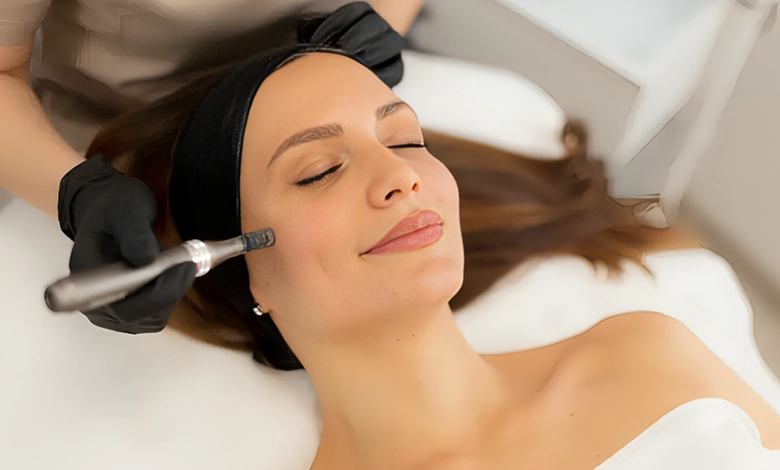
Redness may fade within a day, yet skin can keep changing for weeks. This can make people wonder whether microneedling has stopped working once skin looks calm. Microneedling has not. It creates controlled micro‑injuries that start repair below the skin. Early redness is one visible part of that response. At Sunshine Cosmetic Clinic & Medi Spa, we provide microneedling in Mississauga with SkinPen and a personalized approach.

Our free consultation helps clients discuss skin concerns, skin goals, and expected recovery. Deeper repair can continue once skin redness after microneedling has settled. Because collagen changes take time, improvement may appear gradually rather than all at once. Understanding this difference helps people judge progress and avoid expecting final results during early recovery.

Why Redness Can End Before Skin Remodeling Does

Microneedling uses fine needles to create controlled micro-injuries in the skin. This process is often called collagen induction therapy because the tiny injuries start the body’s repair response. Redness appears early because the skin has just been treated. However, redness does not show the full healing timeline. The American Academy of Dermatology notes that redness or darker shading may last several days to a week.

Research shows that tissue remodeling can continue for weeks or months. During this stage, fibroblasts help form and organize collagen. The microneedling skin healing process therefore continues after the surface looks more normal. A calmer surface can mean the visible reaction has eased while deeper repair keeps moving. The visible phase can end sooner.

What Happens Under the Skin After Treatment

Skin repair moves through linked phases. Inflammation starts after controlled injury, while later repair involves new tissue and collagen remodeling. Research shows that newer collagen can mature and reorganize over weeks to months. This helps explain microneedling collagen production and why visible improvement may develop slowly.

Early Healing Is Only One Phase

Post-microneedling redness is part of the early recovery period. It can improve before deeper skin changes have finished. So, less redness doesn’t mean the treatment effect has ended.

Remodeling Needs More Time

Collagen remodeling after microneedling continues as new collagen matures and becomes better organized. Because this process is gradual, texture and scar changes may become clearer later. This slower timeline is why early photos may not show the result.

When Results May Start to Become Noticeable

People often ask when microneedling results show. This matters because skin can look calm before a clear change is visible. Sunshine’s SkinPen information says early improvements may appear within days, with continued changes over several weeks to months. However, timing can vary by concern, treatment depth, healing response, and number of sessions.

The microneedling results timeline should therefore be viewed as gradual rather than fixed. Some people may notice smoother-looking skin sooner, while scars or fine lines may take longer. How long does microneedling take to work? Surface recovery and deeper remodeling follow different schedules. That difference affects expectations. Visible redness may settle early while collagen changes continue below the surface.

What Sunshine Lists for SkinPen Treatment

Sunshine Cosmetic Clinic & Medi Spa uses SkinPen for its microneedling service. The clinic identifies SkinPen as its treatment device. Trained nurses and medical aestheticians perform treatments. Its service details list the face, neck, and body as treatment areas. A typical appointment is listed at about 60 minutes, with recovery up to two days.

Service detailPublished informationWhy it mattersWhat to confirm
DeviceSkinPenIdentifies the microneedling device usedWhether it suits the client’s skin concern
Treatment areasFace, neck, and bodyShows the areas listed for treatmentWhich areas the personal plan will cover
Typical treatment timeAbout 60 minutesHelps clients plan their appointmentWhether preparation and aftercare are included
Listed recoveryUp to two daysHelps clients plan around possible downtimeExpected redness, swelling, or sensitivity
Listed concernsWrinkles, pigmentation, acne scars, and stretch marksConnects treatment with common concernsWhich concern the treatment will address
ConsultationFree virtual or in-person consultationGives clients two ways to discuss treatmentWhich consultation format fits their needs
Brand experience8+ yearsShows the clinic’s published business experienceThe treating provider’s relevant experience

Consultation can refine those general details. People considering microneedling in Mississauga can use these details as a starting point. However, personal needs should still guide the treatment plan.

Different Skin Concerns Can Improve at Different Rates

Treatment goals can shape how progress is judged. Someone treating mild texture concerns may expect different changes than someone treating established scars. The FDA has cleared microneedling devices for certain uses, including improving facial acne scars and facial wrinkles in adults.

Common goals can include:

  • Microneedling for acne scars, where scar type and depth can affect the treatment course.
  • Microneedling for uneven skin texture, where gradual smoothing may become clearer as healing continues.
  • Microneedling for large pores, where expectations should stay realistic because pore appearance varies.
  • Microneedling for fine lines, where collagen changes may matter more than early redness.

Because concerns differ, compare progress to the goal rather than redness. Microneedling skin rejuvenation is a process, not one instant surface change.

Why Several Sessions May Be Recommended

One treatment can start a healing response, yet some concerns may need a series. The FDA notes that more than one procedure may be needed for the desired aesthetic improvement. Sunshine Cosmetic Clinic & Medi Spa says many clients may benefit from three to six SkinPen sessions. The service page lists spacing of about four to six weeks, depending on goals and concerns.

The question of how many microneedling sessions are needed therefore has no single answer. Likewise, how long between microneedling sessions depends on recovery and the treatment plan. Spacing gives skin time to heal before another controlled treatment. It gives the provider time to review progress. More treatment is not automatically better, so timing should reflect skin needs and response.

Recovery and Safety Still Matter After Redness Fades

A calmer surface does not mean every skin-care product should return right away. The FDA notes that treated skin may remain more sensitive to sunlight and some products. Sunshine advises sunscreen and avoiding sun exposure. It recommends no makeup for at least 24 hours and no retinol or exfoliating products for three days.

Practical aftercare includes:

  • follow the provider’s instructions for the treated area
  • protect recovering skin from unnecessary sun exposure
  • avoid products that may irritate sensitive skin
  • report severe, worsening, or unexpected reactions

The listed microneedling recovery time may be short, but common effects can include redness, tightness, dryness, itching, peeling, or discomfort. Less common risks can include pigment changes, cold sore reactivation, or infection. Recovery advice may differ by treatment depth.

Confirm That Recovery Is Stable Before Measuring Progress

The best time to assess early progress is after short-term irritation has settled. However, skin should feel comfortable during cleansing, moisturizing, and sunscreen use. New redness, warmth, swelling, or tenderness may mean recovery is not complete. Therefore, clients should avoid judging texture while temporary swelling or peeling remains. They should follow the provider’s timing for restarting active products and planning another treatment. Photos taken before treatment and after recovery can support a fair comparison.

Moreover, consistent lighting and camera distance make small changes easier to notice. If symptoms worsen or last longer than expected, clients should contact our medical spa in Mississauga so the provider can review their skin before measuring progress. Record the treatment date, products used, reactions, and recovery length. This record helps the provider compare sessions and adjust future care.

How to Judge Results Without Rushing the Process

A fair review looks beyond fading redness. Track progress with consistent photos, similar lighting, and a clear treatment goal. Daily checking can make changes hard to notice, while spaced reviews give a clearer picture of gradual change.

Useful signs to review include:

  • Texture changes after short-term swelling has settled
  • Changes in scars or fine lines across several weeks
  • How the skin recovers before another planned session
  • Whether future maintenance fits the person’s goals

Also, how long microneedling results last has no fixed answer for everyone. Sunshine says SkinPen results may last from several months to a year, depending on skin condition, lifestyle, and maintenance. Judge results against the reason for treatment, not a promise of identical outcomes.

Let Healing Time Work With the Treatment Plan

Microneedling should be judged by more than early redness. Surface reactions can settle quickly, while collagen formation and remodeling continue below the skin. Research describes new collagen maturing over weeks to months, which helps explain gradual changes in texture and scars. For people considering microneedling in Mississauga, our SkinPen service includes a free consultation to discuss goals, recovery, and treatment planning. Before treatment, ask about provider training, candidacy, aftercare, and realistic timing.

This matters because good care includes both the procedure and the recovery period. A medical spashould avoid promising that every person will improve at the same rate. Results depend on the concern, individual healing, and treatment course. Patience remains part of planning. Call Sunshine Cosmetic Clinic & Medi Spa at 289-695-6888 to book a free microneedling consultation. Visit 618 Lakeshore Rd E, Mississauga, ON L5G 1J4, for personalized care today and discuss goals.

Frequently Asked Questions

Why does microneedling keep working after the redness disappears?

Redness reflects the early skin response, not the full treatment timeline. Microneedling creates controlled punctures that start the body’s wound-healing process. During later healing, fibroblasts can keep producing and organizing collagen below the skin’s surface. So visible calm doesn’t mean deeper remodeling has ended. Texture, scars, and fine lines may continue changing over several weeks or months. However, the amount and speed of improvement vary between people. Treatment depth, skin condition, age, healing response, and the number of sessions may affect progress. Clients should follow aftercare and allow enough recovery before judging the outcome. Consistent photos can help show gradual changes. During follow-up visits, a provider can compare those changes with the original treatment goal and planned course.

How long does collagen production continue after microneedling?

Collagen changes may continue for several weeks or months after microneedling. The early redness usually settles before the full remodeling process is complete. During healing, newly formed collagen can mature, organize, and support gradual changes below the surface. However, there is no timeline for every person. Treatment depth, age, skin condition, treatment area, and healing response can affect the pace. Scars, texture, and fine lines may change at different rates. Therefore, clients should not use fading redness as the final result date. Photos taken in similar lighting can help show progress over time. A provider may review the skin between sessions and adjust the plan. Another treatment should wait until the skin has recovered and the recommended interval has passed.

When do microneedling results usually become noticeable?

Early changes may become noticeable within several days, especially after redness and swelling settle. However, improvement may develop across several weeks or months. Sunshine’s SkinPen information describes continued enhancement as collagen production increases. Texture, scars, fine lines, and tone may not change at the same speed. Therefore, compare results with the concern that led to treatment. Temporary swelling can make skin appear smoother before recovery is complete. Clients should avoid treating this early effect as the outcome. Consistent photos can provide a clearer comparison across the planned treatment course. The provider may review healing and progress before another session. Because every response differs, no exact day can guarantee visible improvement or the same result for every client.

Can skin texture keep improving weeks after microneedling?

Yes. Skin texture may continue changing for weeks or months after redness settles. Surface recovery often happens before tissue remodeling is complete. During this period, new collagen can mature and reorganize below the skin. As a result, changes may become easier to notice over time. However, improvement varies by person and cannot be guaranteed. Treatment depth, skin condition, healing response, age, and session count may affect progress. Short-term swelling can temporarily make skin look smoother, so early comparisons may be misleading. Clients can use photos taken in similar lighting and at similar distances. They should wait until the skin feels calm before judging texture. A provider can review progress, compare it with the treatment goal, and decide whether further care is appropriate.

Why are several microneedling sessions often needed for better results?

Several sessions may be recommended because one procedure may not create the desired improvement. The FDA notes that some people need more than one procedure for their treatment goal. Sunshine describes three to six SkinPen sessions, depending on skin concerns and goals. Each appointment creates another controlled healing response. However, the skin needs suitable time to recover and remodel between visits. More sessions do not mean that treatments should be rushed. A provider should review redness, sensitivity, healing, treatment depth, and progress before continuing. The recommended number may differ for scars, fine lines, texture, or pigmentation concerns. Therefore, a treatment series should remain personal. Clients should understand the expected course, possible risks, recovery needs, and maintenance plan before booking several sessions.

How long should you wait between microneedling sessions in Mississauga?

Sunshine’s SkinPen guidance commonly describes sessions spaced about four to six weeks apart. However, this range is a starting point, not a rule for every client. The right interval depends on skin concerns, treatment depth, healing, sensitivity, and the planned treatment course. The skin should feel calm before another session. Redness, swelling, peeling, unusual tenderness, or worsening irritation may mean you need more recovery time. Therefore, clients should follow the provider’s recommendation rather than book based on the calendar alone. Home products and recent procedures may also affect timing. A consultation can review the previous response and skin condition. The provider can delay or adjust another treatment when needed. Safe spacing supports recovery while collagen remodeling continues below the skin’s surface.

When should microneedling results be assessed in Mississauga?

Assess microneedling results after redness, swelling, and surface irritation have settled. However, one early review may not show the full outcome. Initial changes can appear within days, while collagen remodeling may continue for weeks or months. Therefore, compare progress across the planned treatment course. Photos work best when lighting, distance, angle, and facial position remain consistent. The review should focus on the original concern, such as texture, scars, or fine lines. Clients should record recovery time and any reactions after each session. This information helps the provider judge progress and plan future care. A consultation may be useful before another treatment. Assess results against the starting point and personal goal, not another person’s outcome.

How long can microneedling results last after collagen remodeling?

Microneedling results may last for several months, but there is no fixed duration for everyone. Sunshine states that SkinPen results may last from several months to one year. Skin condition, lifestyle, maintenance, sun exposure, age, and future skin changes may affect that period. However, microneedling does not stop normal aging or prevent new concerns from developing. The FDA notes that improvements may be temporary and maintenance can require additional procedures. Therefore, clients should judge duration from their own starting point and treatment goal. Consistent skin care and sun protection may help support the skin, but they cannot guarantee a set result period. A provider can review changes over time and discuss whether maintenance fits the client’s response, needs, and preferences.

How Many Sessions Does Full Body Laser Hair Removal Usually Take?

Unwanted body hair feels endless. Many people want lasting results but aren’t sure how many visits they will need. Full body laser hair removal can feel confusing because hair grows at different rates on different parts of the body. Laser hair removal in Mississauga includes a planned way to reduce unwanted hair over time. At Shine Cosmetic Clinic & Medi Spa, we use a method that follows each client’s concerns and goals.

A free consultation can help set expectations before laser hair removal treatment begins. This matters because full-body laser hair removal sessions depend on hair growth in the treated area, skin and hair characteristics, hormones, and how the body responds. A good plan follows the body’s natural hair cycle rather than promising a fixed number of sessions for every person.

How Many Sessions Are Usually Needed?

Do you know how many laser hair removal sessions are enough for useful reduction? There is no fixed number for every person. Clinical guidance often suggests four to six sessions as a minimum in many cases. However, full-body care may require more because each body area responds at a different rate. How many sessions for full body laser hair removal has no single answer for that reason. For example, some areas may show less growth sooner, while others need more treatment. Therefore, the course should change with the person’s response. A good laser hair removal treatment plan considers body area, hair color, hair thickness, skin tone, hormones, device choice, and treatment response. These factors shape laser removal results and the path toward long-term hair reduction.

Why Several Treatments Are Needed

Laser hair removal targets pigment in the hair follicle. The light energy becomes heat, which damages the target. However, follicles do not grow in sync. Because of this, one visit cannot treat every hair at its best stage.

Active Growth Matters

The anagen hair growth phaseis the active stage. Hair responds best to laser treatment during this phase. Therefore, repeated visits help reach more hairs as they enter active growth. This is one reason a complete treatment course usually takes several months.

Full-Body Timing Varies

The laser hair removal hair growth cycle can differ by body area. Legs, underarms, bikini areas, back, chest, and face may not follow the same pace. That is why laser hair removal treatment sessions are spread out over time. Some areas may show progress sooner, while others may need more time.

A spaced course gives more active hairs time to appear before another visit.

What Can Change the Number of Sessions?

Several factors can affect the number of visits needed. Health Canada notes that results can depend on skin and hair color, body area, device settings, number of treatments, and operator skill. Hormonal status can matter as well. So, a consultation should look beyond the amount of visible hair.

  • Hair color and thickness can affect how well the target absorbs laser energy.
  • Body areas can respond at different speeds because growth cycles vary.
  • Hormonal changes can influence new growth or regrowth.
  • Device choice and settings can affect treatment response.
  • Missed or poorly spaced visits can make progress harder to judge.

Laser hair removal for coarse hair may respond differently from finer hair because pigment and shaft size matter. However, every person still needs an individual review.

How Session Spacing Shapes the Timeline

Spacing is part of treatment because more follicles need time to enter active growth. Clinical references often describe early visits around four to six weeks apart. However, the right interval can vary by body area and treatment response. Therefore, you shouldn’t copy another person’s laser hair removal schedule.

Planning factorWhy it matters
Body area  Different areas follow different hair growth cycles
Hair features  Hair color and thickness affect laser response
Skin tone  Treatment settings may change for different skin tones
Hormonal status  Hormonal changes can affect hair growth and regrowth
Treatment response  Progress may affect later sessions and treatment timing
Treatment area size  Larger areas may need more time during each visit
Session consistency  Regular visits help keep treatment aligned with growth cycles

People often ask how long between laser hair removal sessions is ideal. The full laser hair removal timeline may stretch across several months when you treat many areas.

Why Different Body Areas May Respond Differently

Full-body care covers many areas, but those areas don’t share the same growth pattern. Research shows that hair location can affect treatment response. As a result, one area may show clear reduction while another still needs more visits. At Sunshine Cosmetic Clinic & Medi Spa, we use a personalized approach rather than treating every concern the same way.

A full-body plan may review:

  • face and neck areas with frequent visible regrowth
  • underarms and bikini areas with thicker hair
  • arms and legs with different growth patterns
  • chest, abdomen, or back where density can vary
  • areas affected by ongoing hormonal changes

For this reason, full body laser hair reduction should be judged across the full course. People planning full-body care should expect progress to vary by area. Hair regrowth after laser hair removal can vary as well.

Skin Tone, Hair Type, and Hormones Matter

Laser hair removal works by targeting melanin in the hair follicle. As a result, hair color and skin pigment can affect treatment planning. Health Canada explains that both can influence effectiveness and risk. This makes laser hair removal for different skin types an important part of a careful plan.

Hair Features Affect the Target

For example, dark, coarse hair may provide more pigment for laser energy to target. Very light, grey, red, or white hair can respond less well because it contains less useful pigment.

Hormones Can Affect Regrowth

Hormonal status can change hair growth patterns. As a result, some people may need a longer course or future touch-ups.

Clients can discuss their goals during a free consultation at a medical Spa in Mississauga before committing to treatment.

Why Laser Hair Removal Needs a Personalized Approach

Hair growth patterns can vary widely from one person to another. Therefore, the same treatment plan may not suit every client. Skin tone, hair color, hair thickness, treatment area, and past response can affect how care is planned. Hormonal changes may also influence growth patterns. At Sunshine Cosmetic Clinic & Medi Spa, we offer laser Hair Removal in Mississauga with a personalized approach based on each client’s goals and treatment areas. We offer 10+ laser hair removal and hair restoration technologies for men and women as part of our hair treatment services.

We begin with a consultation to understand hair features, skin tone, and expected results. We can also review progress as treatments continue. A personalized approach matters because laser settings and treatment timing should match the person’s skin and hair features. Proper planning can support better laser hair removal results while keeping skin safety in mind. It can also help set realistic expectations about how many visits may be needed.

Safety and Preparation Should Stay Part of the Plan

Laser treatment uses concentrated energy, so safety matters at every visit. Health Canada advises people to consider operator training, device choice, skin and hair color, and proper eye protection. Tanning can raise skin pigment and may increase treatment risk. As a result, people should follow preparation and aftercare instructions.

Important safety points include:

  • avoid tanning around treatment when advised
  • follow guidance about shaving and other hair removal methods
  • wear proper eye protection during treatment
  • report skin, medicine, or health changes before treatment
  • follow aftercare guidance for redness or sensitivity

However, temporary redness, swelling, discomfort, or pigment change can occur. Burns, blisters, infection, scarring, and eye injury are more serious risks. A careful plan should balance desired reduction with skin safety.

Set Expectations Around Hair Growth and Response

A good full-body plan follows hair biology and the person’s response. So treat a fixed number as an estimate, not a guarantee. Laser hair removal for men and women can involve different body areas, hair density, skin tones, and growth patterns. A personalized schedule helps keep those differences in view. Review progress throughout the treatment course. This helps show which areas are responding well and which may need more time.

Plan Your Laser Hair Removal With Personalized Care

A free consultation can help set clear expectations for the treatment course, progress, and possible maintenance. Sunshine Cosmetic Clinic & Medi Spa provides non-surgical aesthetic care with an individual treatment-planning approach. We offer hair removal in Mississauga for clients who want a personalized plan based on their goals, treatment areas, and hair growth patterns. The aim is steady, safe reduction across treated areas.

Laser hair removal maintenance sessions may be useful when hair returns later. A careful plan keeps realistic goals at the center. Call us at (289) 695-6888 to discuss a personalized laser hair removal plan at 618 Lakeshore Rd E, Mississauga, ON L5G 1J4, and book a free consultation today for your goals and schedule.

Frequently Asked Questions

How many full body laser hair removal sessions do most people need?

Most people need several treatments rather than a single visit. Clinical guidance often describes four to six sessions as an initial course, although some people may need more. Full-body treatment can take longer because each area may respond at a different pace. Hair thickness, hair color, skin tone, hormones, treatment settings, and past response can all affect the total number. Areas with coarse, dark hair may respond differently from areas with finer hair. Hormonal changes may also lead to continued or new growth. Because of these differences, no fixed number works for everyone. A consultation helps estimate the likely treatment course and gives the provider a chance to adjust the plan as progress becomes clearer.

Why does full body laser hair removal require several sessions?

Full-body laser hair removal requires several sessions because hair does not grow at the same time. Each follicle moves through its own growth cycle. Laser treatment works best when hair is in the active growth stage, when the follicle contains more pigment and is connected to the hair root. However, only part of the body hair is in this stage during one visit. Other hairs may be resting or moving between stages. Therefore, one session cannot target every follicle at its most responsive time. Repeated appointments give more hairs a chance to enter active growth. Over several sessions, this can support wider hair reduction across treated areas. Treatment spacing is important because it allows the next group of active hairs to become ready for treatment.

How does the hair growth cycle affect the number of laser sessions?

The hair growth cycle plays a major role in how many laser sessions a person may need. Hair moves through active growth, transition, and resting stages. Laser treatment is most effective during active growth because the hair is still connected to the follicle. However, only some hairs are in this stage during each appointment. The rest may be resting or moving into another stage. Because of this, repeated treatments are needed to reach more follicles over time. Different body areas can also have different growth rates. Facial hair may follow a different pattern from leg, chest, back, or underarm hair. Then, both the number of sessions and the time between visits may change based on the treatment area and individual response.

Do different body areas need different numbers of laser sessions?

Yes. Different body areas may need different numbers of laser hair removal sessions. Hair density, thickness, growth speed, and hormone sensitivity can vary from one area to another. For example, underarm or bikini hair may be thicker than hair on the arms or certain parts of the face. Hair on the back, chest, legs, and face can also follow different growth cycles. As a result, one area may show visible reduction sooner while another may need more visits. A full-body treatment plan should account for these differences rather than assume every area will respond at the same rate. Progress may be reviewed during the treatment course so timing, session count, and expectations can be adjusted for each area when needed.

Can hair type, skin tone, or hormones increase the number of sessions?

Yes. Hair type, skin tone, and hormones can all affect how many laser hair removal sessions you need. Darker and coarser hair often contains more pigment for the laser to target. Very light, grey, red, or white hair may respond less well because it contains less pigment for the laser to target. Skin tone can also affect treatment planning because laser settings must be selected with skin safety in mind. Hormonal changes may influence how much hair grows and where it appears. Conditions or life stages linked with hormone changes may lead to continued or new growth. As a result, some people may need a longer treatment course or future touch-up sessions. A personal assessment helps create safer settings and more realistic expectations for results.

How many sessions are common for Full Body Laser Hair Removal in Mississauga?

There is no single session number that applies to every person receiving full-body laser hair removal. Clinical guidance often describes four to six treatments as an initial course, but some people may need additional visits. The final number depends on the areas treated, hair color, hair thickness, skin tone, hormonal factors, treatment settings, and individual response. Full-body plans can take longer because different areas may progress at different speeds. At Sunshine Cosmetic Clinic & Medi Spa, clients can discuss their goals during a consultation before treatment begins. This helps build a more suitable plan based on the areas being treated. Progress can also be reviewed during the course so future sessions can be adjusted when needed.

How far apart are full body laser hair removal sessions in Mississauga?

Laser hair removal sessions are often spaced several weeks apart because hair needs time to move into the active growth stage. Clinicians commonly recommend early appointments about four to six weeks apart, though the right interval can vary. Facial hair may follow a different cycle from hair on the legs, back, chest, arms, or bikini area. Treatment response can also affect future timing. Therefore, full-body schedules should not follow one fixed interval for every person or every area. At Sunshine Cosmetic Clinic & Medi Spa, treatment planning can consider the client’s goals, body areas, hair features, and progress. Proper spacing gives follicles more time to enter active growth and helps keep the treatment course aligned with natural hair cycles.

Will you need maintenance sessions after finishing laser hair removal?

Some people may need maintenance sessions after completing their main laser hair removal course. Laser treatment can provide long-term hair reduction, but it does not always mean that every treated hair will disappear forever. Some follicles may become active again later, while new growth can appear because of hormonal changes, age, or other factors. Regrowth can vary by body area and person. Some people may notice only a small amount of finer hair, while others may need more regular touch-up visits. Maintenance schedules vary from person to person. A provider can review how much hair returns, where it appears, and how quickly it grows before recommending another session. Judge ongoing results over time rather than promise them after one treatment course.

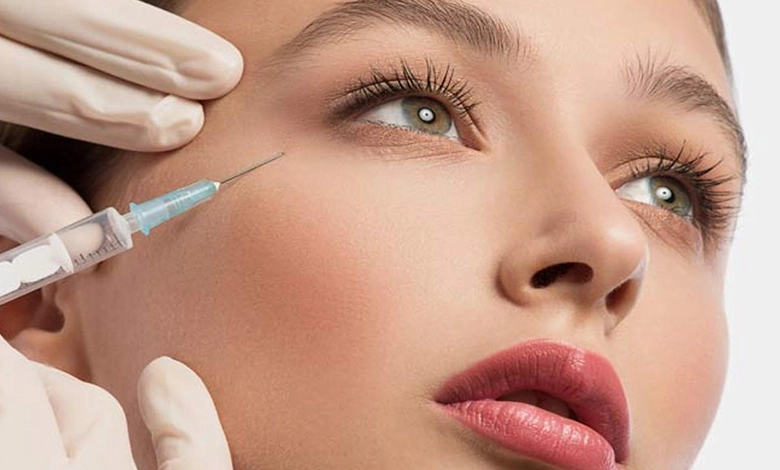
How Long Does Botox Last? A Timeline From First Results to Wear-Off

You leave a Botox appointment, look in the mirror, and nothing seems different yet. That can feel strange when you have just paid for a treatment meant to soften visible lines. Then a few days pass. Your forehead begins moving a little less. Frown lines do not fold as deeply. By the following weeks, the change becomes easier to see. So, how long does Botox last? For many people, cosmetic Botox effects remain noticeable for about three to four months. The exact timeline isn’t the same for everyone.

Treatment area, facial muscle activity, dose, previous treatments, and individual response can all affect how quickly results appear and how gradually they fade. Health Canada also describes Botox Cosmetic as a temporary treatment, with effects generally lasting about three to four months. Understanding that timeline is useful before choosing Botox treatment in Mississauga. Botox does not switch on immediately, stay completely unchanged for months, and then disappear overnight. It develops and fades in stages.

How Botox Results Change Over Time

Botox Cosmetic contains OnabotulinumtoxinA, a form of botulinum toxin type A. When placed into selected facial muscles, it temporarily reduces the nerve signals that tell those muscles to contract. Less contraction means dynamic wrinkles can appear softer while the treatment is active.

A typical cosmetic timeline may look something like this:

Time After TreatmentWhat May Be Happening
Treatment dayBotox has been injected, but visible changes are usually limited
Days 1–2Some people begin noticing early changes
Days 3–7Muscle movement may become progressively weaker
Weeks 1–2Visible smoothing often becomes clearer
By day 30Results for common upper-face areas may reach their full effect
Months 2–3Results may remain noticeable, though individual variation is common
Around months 3–4Muscle movement may gradually return
After month 4Some people have little remaining effect, while others retain visible improvement longer


Official BOTOX Cosmetic information says results for forehead lines, frown lines, and crow’s feet may begin within one to two days and can continue developing through day 30. Results can last up to four months. That is the broad pattern. Your own Botox results timeline may be shorter or longer.

Why Botox Does Not Work the Moment It Is Injected

Botox affects communication between nerves and muscles. Normally, a motor nerve releases a chemical messenger called acetylcholine at the neuromuscular junction. That message tells the muscle to contract. OnabotulinumtoxinA interferes with this process. It acts at motor nerve endings and reduces acetylcholine release. As nerve-to-muscle signaling decreases, the treated muscle produces less forceful movement. This is why Botox can soften dynamic wrinkles, including lines created by repeated frowning, squinting, or raising the eyebrows.

The biological process takes time. That is one reason a forehead can still move normally right after an appointment. This also explains why checking the mirror every hour on treatment day tells you very little about the eventual result. Early changes may start quickly, but the treatment continues developing after those first signs. Botox doesn’t fill a wrinkle from underneath. That is the job of a different category of injectable. Botox changes muscle activity, so its visible effect develops as the treated muscles respond.

Days 1 to 7: The First Changes Begin

The first week is when people usually start asking, “Is my Botox working yet?” Sometimes, yes. But it may still be early. Official information indicates that changes in moderate to severe forehead lines, frown lines, and crow’s feet can begin within one to two days. Clinical research has also recorded early onset within the first several days after treatment. For people seeking Botox treatment in Mississauga, tracking the previous treatment can make the next consultation more useful.

During this stage, you might notice:

  • less force when frowning
  • reduced forehead movement
  • softer folding between the eyebrows
  • less crinkling around the outer eyes
  • one area seeming to respond before another

That last point matters. The face is not one muscle. The frontalis muscle raises the eyebrows and creates horizontal forehead lines. The corrugator and procerus muscles contribute to glabellar or “11” lines. Different muscles have different sizes, strength, movement patterns, and functions. An uneven early response does not automatically mean the final result will be uneven. Give the treatment time to develop before deciding what the outcome looks like.

Weeks 2 to 4: Results Become Easier to Judge

A common Botox myth says the treatment is always “finished” at exactly two weeks. Two weeks is an important point, but it shouldn’t be treated as a universal deadline. Official BOTOX Cosmetic information states that full results for moderate to severe forehead lines, glabellar frown lines, and crow’s feet may develop through 30 days. That means someone can see a clear result at day 10 or day 14 and still notice smaller changes later. By this part of the Botox results timeline, muscle contraction should generally be reduced in areas that responded to treatment. Dynamic lines may look softer because the skin is no longer folding with the same force.

Static lines are different. Dynamic wrinkles mainly appear during facial movement. A static wrinkle remains visible even when the face is at rest. Botox can reduce the repeated movement that contributes to a static line, but a deeply etched line may not disappear simply because the muscle underneath it has relaxed. This distinction helps keep expectations realistic. Less movement and completely smooth skin are not always the same outcome.

Months 2 to 4: The Stable Period and Gradual Wear-Off

For many people, the middle part of the Botox cycle feels uneventful. That is usually a good thing. The treatment has already developed, muscle movement is reduced, and the effect remains noticeable. A meta-analysis of OnabotulinumtoxinA treatment for glabellar lines found a median duration of about 120 days among day-30 responders when lines were assessed at maximum contraction. Those are study averages, not expiration dates.

Your Botox does not know that month four has arrived. Instead, nerve function gradually recovers. Acetylcholine signaling resumes, the muscle starts contracting more strongly, and familiar facial movement slowly returns. Biological recovery is why Botox wearing off usually feels progressive rather than sudden.

Early signs may include:

  • slightly more eyebrow movement
  • stronger frowning
  • crow’s feet becoming easier to see when smiling
  • forehead lines beginning to fold again
  • expression lines staying visible for longer after movement

You may still have some effect even after movement begins returning.

Why Botox Lasts Longer for Some People

Two people can receive treatment on the same afternoon and have noticeably different timelines. No single explanation accounts for every difference.

Muscle activity

Someone with strong, frequently active facial muscles may respond differently than someone with lighter movement. Muscle mass has also been considered in clinical Botox studies because the amount of muscle being treated can affect dosing decisions.

Treatment area

The forehead, glabella, and outer eye area do not behave the same way. Different muscles control each region so that duration can vary across the face.

Dose

Dose can influence the strength and duration of effect, but “more” is not automatically “better.” Older dose-ranging studies found differences in glabellar response duration between lower and higher tested doses. However, dosing must still balance effectiveness, movement, anatomy, and safety.

Individual biology

People respond differently to medication. Research results describe populations, not exact personal outcomes.

Treatment history

Previous treatment may affect how a person experiences each cycle, but it is too simple to promise that every future treatment will automatically last longer.

This is where an individualized assessment matters more than copying another person’s unit count or treatment schedule.

Does Botox Last the Same in the Forehead, 11 Lines, and Crow’s Feet?

Not necessarily. Upper-face Botox involves several different muscle groups. Forehead lines are closely linked to the frontalis muscle, which also plays an important role in raising the eyebrows. Glabellar lines, often called frown lines or 11 lines, involve muscles between and above the eyebrows, including the corrugator and procerus. Crow’s feet develop around the lateral eye area with activity from the orbicularis oculi.

Because these areas do different jobs, a provider has to think beyond wrinkle location. Facial movement, eyebrow position, muscle strength, previous injections, and the relationship between nearby muscles all matter. This is one reason people comparing the best Botox injections in Mississauga should look beyond the number of units alone. A good plan is not simply the biggest dose or the longest possible freeze. The goal is to treat the muscles contributing to the concern while respecting how the rest of the face moves.

What Happens When Botox Finally Wears Off?

The effect normally fades because the connection between the nerve and muscle recovers over time. Muscle activity returns, and expression lines can gradually become visible again. This process is usually less dramatic than people expect. One week, you may notice a little movement between your eyebrows. Later, a deeper frown becomes possible. Eventually, the area moves more like it did before treatment. That does not mean Botox “failed.” Temporary action is part of how onabotulinumtoxinA works.

It is also useful to separate returning movement from returning wrinkles. Movement can return before a line looks exactly as it did before treatment. Skin condition, line depth, sun exposure, age, and repeated expression all influence what you see at rest. A useful question is not only “Can I move?” but also “How much has my original concern returned?” That gives a more realistic picture of where you are in the wear-off cycle.

Planning the Next Treatment Without Chasing the Calendar

Botox maintenance should not become a race against the first hint of movement. Official BOTOX Cosmetic guidance says treatments should be spaced at least 90 days apart. Your actual treatment interval should still be discussed with a qualified medical provider because your response, goals, treatment area, and medical history matter.

Health Canada also advises people considering cosmetic injections to discuss risks and benefits with an experienced medical professional. Do not use Botox Cosmetic if there is an infection at the proposed injection site or if you have a hypersensitivity to the product. Certain neuromuscular conditions also require special attention.

Note:

  • when you first noticed a change
  • when the result felt strongest
  • which area started moving first
  • when the original lines became noticeable again
  • whether the amount of movement felt right for you

That history tells a provider more than saying, “It lasted about three months.”

Facial anatomy and response should guide the plan. Even at a luxury medical spa in Mississauga, clinical decision-making should come before a fixed calendar.

Botox Longevity Is a Range, Not a Countdown

The simplest answer to how long Botox lasts is roughly three to four months for many cosmetic patients. The more useful answer is that Botox follows a gradual biological timeline. It may start showing within the first few days. The result can continue to develop over the following weeks. For a period, muscle movement stays reduced. Then nerve-to-muscle signaling gradually returns, expression becomes stronger, and lines may slowly reappear. That pattern also explains why one person’s experience cannot predict another’s.

We have more than eight years of experience across medical aesthetics and have provided more than 20,000 treatments. For anyone considering Botox treatment in Mississauga, a consultation offers a chance to discuss facial movement, treatment history, goals, and realistic duration before deciding on the next step. The calendar is useful. Your own response is more useful. Ready to see how Botox may fit your goals? Book your Botox consultation with Sunshine Cosmetic Clinic & Medi Spa at 618 Lakeshore Rd E, Mississauga, ON. Call 289-695-6888 today to discuss your goals directly with our experienced team.

Frequently Asked Questions

How long does Botox usually last after the first treatment?

Botox commonly remains noticeable for about three to four months, although a first treatment may last shorter or longer depending on the person. Health Canada describes cosmetic Botox effects as generally lasting three to four months, while clinical studies also show meaningful variation between patients and treatment areas. Muscle activity, dose, facial anatomy, and individual response can all affect the timeline. A first treatment is useful because it gives both you and your provider information about how your muscles respond. Instead of expecting an exact expiration date, watch how movement changes over several months. That makes it easier to understand your own Botox duration before planning future treatments.

How soon can I notice the first changes after Botox?

Some people notice early Botox changes within one or two days, but the treatment continues developing after that point. Official BOTOX Cosmetic guidance says initial results for forehead lines, frown lines, and crow’s feet may appear in one to two days. Other people need several days before the change becomes obvious. Early signs often include less pronounced frowning, reduced forehead movement, or softer crinkling around the eyes. Don’t assume the result is complete just because the first change has appeared. Different muscles may respond at slightly different speeds, and the appearance can continue to change over the following weeks. The first visible response is only the beginning of the Botox timeline.

When does Botox reach its strongest effect?

Botox results can continue developing for several weeks, with official information noting full results by day 30 for common upper-face treatment areas. Many people already see substantial change during the first one or two weeks, but that does not mean every treatment has reached its final appearance by day 14. Forehead lines, glabellar lines, and crow’s feet involve different muscles and may not change at identical speeds. This is why judging treatment too early can create unnecessary concern about movement or balance. If you are tracking your result, compare facial expressions under similar lighting instead of checking small changes several times each day. The developing phase leads naturally into the more stable period that follows.

Does Botox wear off gradually or stop working suddenly?

Botox normally wears off gradually rather than stopping at one exact moment. The treatment temporarily reduces acetylcholine release at nerve endings, which lowers muscle activity. Over time, nerve-to-muscle communication recovers, and contractions become stronger again. You may first notice a small amount of forehead, brow, or eye movement. Later, expression lines may fold more deeply. This gradual return explains why you can still have some Botox effect even when your face is moving more than it did several weeks earlier. One day of extra movement does not necessarily mean the treatment is completely gone. Watching the pattern over time helps you separate normal wear-off from an unusually short treatment response.

Why can Botox wear off faster for some people?

Botox duration varies because treatment area, muscle activity, dose, anatomy, and individual response differ from person to person. Stronger or more active facial muscles may require a different treatment approach than smaller or less active muscles. Clinical research has also examined dose and muscle mass when assessing botulinum toxin response. However, no single factor can predict an exact wear-off date for every patient. Claims that one lifestyle habit or a “fast metabolism” always causes short Botox duration are too simple. A better approach is to document your actual response over several treatment cycles. That information can help your provider understand whether the timeline is consistent or whether the treatment plan needs reassessment.

Does Botox last longer in some facial areas than others?

Yes, Botox duration can vary between facial areas because different muscles vary in size, strength, function, and movement patterns. The frontalis raises the eyebrows, the corrugator and procerus contribute to frown lines, and the orbicularis oculi helps create crow’s feet during smiling and squinting. Clinical studies have reported duration data separately for glabellar lines and crow’s feet, reflecting that treatment areas should not be treated as identical. If one region begins moving before another, it does not automatically mean something went wrong. Sunshine Cosmetic Clinic & Medi Spa can assess facial movement as part of Botox treatment in Mississauga, so treatment planning reflects the muscles involved rather than a fixed formula.

Can repeated Botox treatments change how long the results last?

Repeated Botox treatments may change a person’s experience over time, but there is no guarantee that every treatment will last longer than the previous one. Some research on repeated botulinum toxin treatment has found maintained effectiveness across treatment cycles, with no evidence that patients automatically lose response after several sessions. The way a person uses treated facial muscles may also change while those muscles are repeatedly exposed to periods of reduced activity. Still, dose, treatment area, product, anatomy, and individual biology continue to matter. It is better to track each treatment than assume a future session must last longer. That record can show whether your Botox duration stays fairly consistent, changes gradually, or needs discussion with your provider.

What happens to facial movement and wrinkles as Botox wears off?

Facial movement generally returns gradually as nerve signals to the treated muscles recover, and dynamic wrinkles may become more visible again as those muscles contract. Botox does not permanently remove the nerve-muscle connection. Its effect is reversible and time-limited. You may first notice movement without immediately seeing your original lines at their previous depth. Over time, stronger repeated expressions can make forehead lines, frown lines, or crow’s feet easier to see again. This gradual return is a useful sign when discussing future treatment timing. Rather than waiting for a specific date on the calendar, compare current movement and lines with your original concern and discuss the change with a qualified provider before deciding on another treatment.

Laser Hair Removal Mississauga for Smooth, Silky Skin and Long-Lasting Hair Reduction

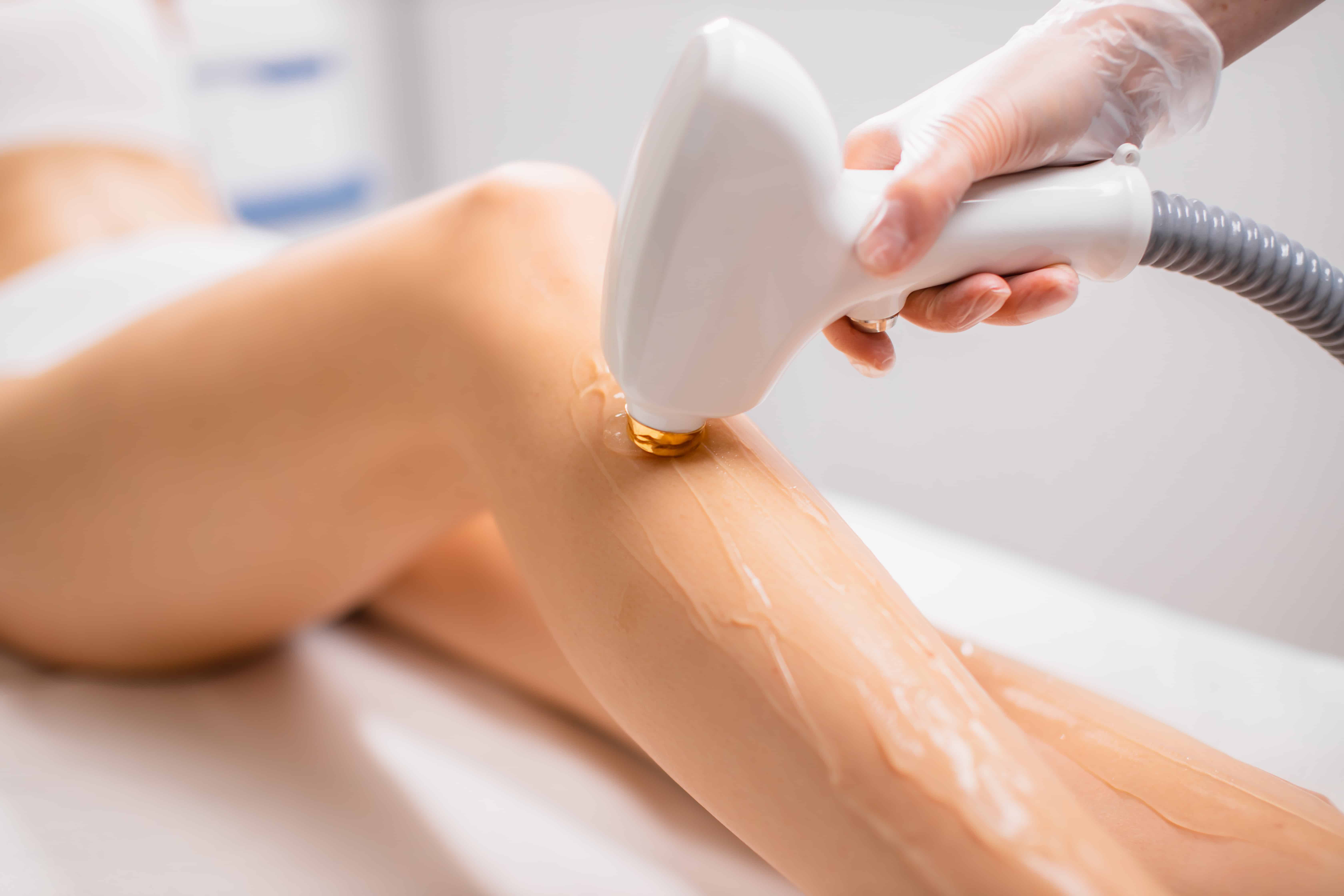
Unwanted hair can be frustrating to manage with daily shaving, regular waxing, threading, or plucking. While these methods provide temporary results, they often lead to skin irritation, razor bumps, ingrown hairs, and the constant need for maintenance. Laser Hair Removal Mississauga offers a safe, effective, and non-surgical solution for achieving smoother skin with long-lasting hair reduction. Using advanced laser technology, this treatment precisely targets hair follicles to reduce future hair growth while protecting the surrounding skin. Whether you want to treat your face, underarms, arms, legs, bikini area, chest, back, or other body areas, professional laser hair removal provides a customized solution that helps simplify your beauty routine while enhancing your confidence.

Laser Hair Removal Waterloo & Kitchener
Choose Laser Hair Removal Mississauga for advanced technology, personalized care, and beautifully smooth skin with lasting results

How Laser Hair Removal Creates Smooth, Hair-Free Skin?

1. Achieves Long-Lasting Hair Reduction – Unlike shaving or waxing, which only remove hair temporarily, laser hair removal targets the hair follicles responsible for future growth. Over a series of professionally recommended treatment sessions, hair becomes finer, lighter, and significantly less noticeable. Many clients experience long-term hair reduction, making laser treatment a convenient solution that minimizes the need for frequent grooming while helping maintain smooth skin throughout the year.

2. Reduces Ingrown Hairs and Skin Irritation – Traditional hair removal methods can cause razor burns, cuts, redness, bumps, and painful ingrown hairs. These issues are especially common in sensitive areas such as the bikini line, underarms, and face. Laser hair removal reduces hair growth at the source, helping minimize irritation while leaving the skin smoother and healthier. Clients who struggle with recurring ingrown hairs often notice significant improvement after completing their treatment plan.

3. Safe for Multiple Areas of the Body – Professional Laser Hair Removal Mississauga treatments can safely target many areas of the body. Popular treatment areas include the upper lip, chin, cheeks, neck, underarms, arms, legs, bikini line, Brazilian area, chest, shoulders, abdomen, and back. Every treatment begins with a consultation to evaluate your skin type, hair colour, hair thickness, and treatment goals, ensuring a personalized plan that delivers safe and effective results.

4. Saves Time and Money Over the Long Term – The ongoing cost of razors, waxing appointments, shaving products, and temporary hair removal treatments can quickly add up over the years. Laser hair removal significantly reduces the need for constant maintenance, helping clients save valuable time and reduce long-term grooming expenses. Instead of worrying about daily shaving or monthly waxing appointments, you can enjoy smoother skin with far less effort.

Laser Hair Removal in Waterloo & Kitchener by Kitchener Waterloo MedSpa
Achieve silky-smooth skin with Laser Hair Removal Mississauga offering safe, effective, and long-lasting hair reduction treatments

Investing in Laser Hair Removal Mississauga is an investment in smoother skin, greater convenience, and lasting confidence. With customized treatment plans, advanced laser technology, and expert care, laser hair removal offers a safe and effective way to reduce unwanted hair while improving your overall skincare routine. Whether treating one small area or multiple areas of the body, professional laser hair removal helps you enjoy beautiful, silky-smooth skin with long-lasting results.

Dermal Fillers Mississauga for Natural Facial Rejuvenation, Restored Volume, and Lasting Confidence

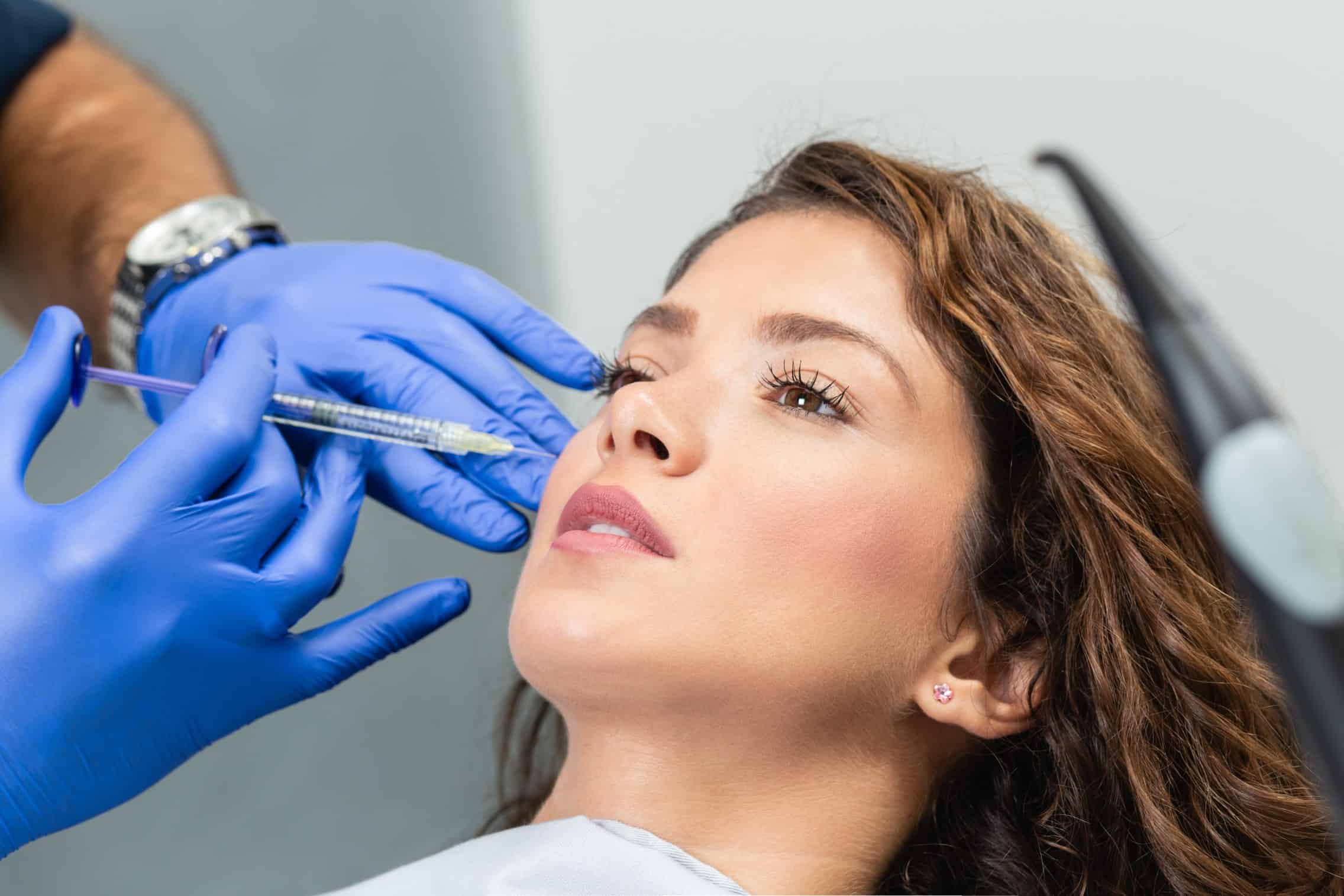
As we age, our skin gradually loses collagen, elastin, and hyaluronic acid, leading to fine lines, wrinkles, and a loss of facial volume. Dermal Fillers Mississauga offer a safe, non-surgical solution to restore youthful contours, enhance facial features, and achieve natural-looking rejuvenation. Whether you want fuller lips, lifted cheeks, a more defined jawline, or smoother smile lines, dermal fillers provide immediate improvements with minimal downtime. Administered by experienced aesthetic professionals, customized dermal filler treatments are designed to enhance your natural beauty while maintaining facial balance and expression. With personalized treatment plans and advanced injection techniques, dermal fillers help you look refreshed, confident, and naturally youthful without the need for surgery.

dermal filler in Kitchener, Waterloo
Enhance your natural beauty with Dermal Fillers Mississauga for smoother skin, restored volume, and youthful facial contours

Why Dermal Fillers Are a Popular Non-Surgical Treatment?

1. Restore Lost Facial Volume – One of the first visible signs of aging is the gradual loss of facial volume. The cheeks may appear flatter, the temples can become hollow, and the jawline may lose definition. Dermal fillers are formulated to restore volume beneath the skin, creating a fuller, smoother, and more youthful facial appearance. By replacing lost structure, fillers help rejuvenate the face while preserving natural facial movement and harmony.

2. Smooth Fine Lines and Wrinkles – Facial expressions, sun exposure, and the natural aging process contribute to wrinkles and deep facial folds over time. Dermal fillers effectively soften areas such as nasolabial folds, marionette lines, chin wrinkles, and other moderate facial creases. Rather than creating an overfilled appearance, professionally administered fillers restore volume where it has diminished, allowing the skin to appear smoother while maintaining natural facial expressions.

3. Enhance Facial Features Naturally – Dermal fillers are widely used for facial enhancement as well as facial rejuvenation. Many individuals choose fillers to increase lip volume, define the chin, contour the jawline, improve cheek projection, or correct mild facial asymmetry. Every treatment is carefully customized to complement your unique facial anatomy, ensuring subtle enhancements that look balanced and natural rather than artificial.

4. Deliver Immediate Results with Minimal Recovery – Unlike surgical cosmetic procedures, dermal fillers offer noticeable improvements immediately after treatment. Most appointments take less than an hour, making them convenient even for busy schedules. Mild swelling, redness, or bruising may occur temporarily, but these effects generally resolve within a few days. Most clients are able to resume normal daily activities shortly after treatment, making dermal fillers an excellent option for those seeking quick yet effective facial rejuvenation.

Dermal Filler Treatment
Choose Dermal Fillers Mississauga for safe, personalized treatments that refresh your appearance with natural-looking results

Choosing professional Dermal Fillers Mississauga means receiving treatment from qualified aesthetic practitioners who prioritize safety, precision, and natural-looking outcomes. Every consultation begins with a comprehensive facial assessment to evaluate your skin, facial anatomy, medical history, and aesthetic goals. Based on this assessment, a customized treatment plan is developed using high-quality, Health Canada-approved dermal filler products that are appropriate for your specific needs.

PRP Hair Restoration Mississauga for Natural Hair Growth, Thicker Hair, and Renewed Confidence

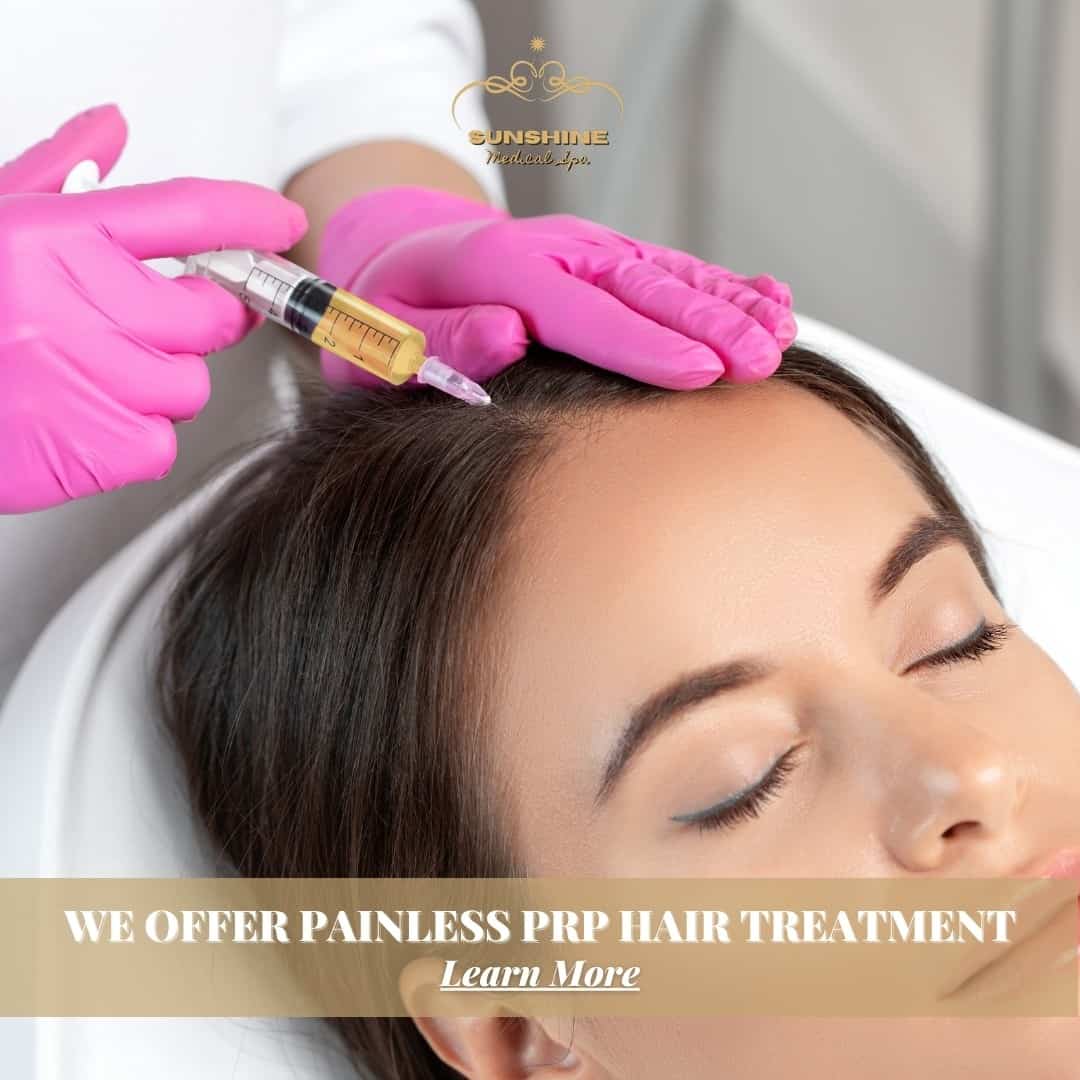
Hair thinning and hair loss can affect both men and women, impacting confidence and self-esteem. While genetics, aging, hormonal changes, stress, and certain medical conditions can contribute to hair loss, modern regenerative treatments offer promising non-surgical solutions. PRP Hair Restoration Mississauga uses Platelet-Rich Plasma (PRP), derived from your own blood, to support the body’s natural healing process and encourage healthier hair growth. This minimally invasive treatment utilizes growth factors found in platelets to stimulate hair follicles, improve scalp health, and promote stronger, thicker-looking hair. Whether you’re noticing early hair thinning or looking to improve hair density, PRP hair restoration offers a personalized treatment option with minimal downtime.

PRP hair-loss-treatment
Restore your confidence with PRP Hair Restoration Mississauga, a natural treatment designed to support healthier, fuller-looking hair

Why PRP Is a Popular Non-Surgical Hair Treatment?

1. Encourages Natural Hair Growth – PRP hair restoration works by using the body’s own platelet-rich plasma, which contains concentrated growth factors that support tissue repair and regeneration. When carefully injected into targeted areas of the scalp, PRP helps stimulate dormant or weakened hair follicles, encouraging healthier hair growth. Because the treatment uses your own blood, it is a natural approach to supporting hair restoration without synthetic materials.

2. Helps Strengthen Existing Hair – Hair loss often begins with hair becoming thinner, weaker, and more fragile before significant shedding occurs. PRP therapy may help improve the quality of existing hair by supporting healthier follicles and increasing hair shaft strength. Many patients notice their hair appears fuller, thicker, and healthier as treatment progresses, particularly when PRP is started during the early stages of hair thinning.

3. Minimally Invasive with Little Downtime – Unlike surgical hair restoration procedures, PRP hair restoration is a minimally invasive treatment that requires no incisions or lengthy recovery period. A small blood sample is collected, processed to separate the platelet-rich plasma, and then injected into targeted areas of the scalp. Most appointments are completed within an hour, allowing many patients to return to their normal daily activities shortly after treatment.

4. Customized for Individual Hair Loss Concerns – Every person’s hair loss pattern is different. Professional PRP hair restoration begins with a comprehensive consultation to evaluate your scalp health, hair density, medical history, and treatment goals. Based on this assessment, a personalized treatment plan is developed to address your specific needs. PRP may also be combined with other hair restoration therapies when appropriate to help optimize overall results.

SUNSHINE COSMETIC CLINIC & MEDI SPA
Choose PRP Hair Restoration Mississauga for personalized, non-surgical hair restoration that promotes stronger, thicker hair naturally

Choosing professional PRP Hair Restoration Mississauga means receiving treatment from experienced medical professionals who use advanced PRP preparation techniques and personalized care to help achieve the best possible outcomes. Every treatment begins with a detailed assessment to determine whether PRP therapy is appropriate for your type of hair loss. Your provider will discuss your expectations, explain the treatment process, and recommend a customized treatment schedule based on your individual goals.

Dermal Filler

Sign Up For This Super Deal Now!

*Applied to new clients only