
How Often Should You Get a Facial Without Overdoing Your Skin?

Skin can feel dull, rough, dry, or clogged. A facial may help, yet booking too many can leave skin sore and upset. This creates a concern: how often should you get a facial without causing harm? Most people need a plan based on skin, goals, and treatment. However, no schedule works for every face. Sunshine Cosmetic Clinic & Medi Spa offers professional facials in Mississauga, with care tailored to clients. Our team can review concerns and explain options. For example, choices include HydraFacial, JetPeel, OxyGeneo, Valmont, and our Signature Facial. Therefore, analysis may guide that choice. Because needs can change, the plan should change with them. This guide explains timing ranges, warning signs, and questions to ask before care.

No Single Schedule Works for Every Face

Many people use four to six weeks as a starting point. However, that range is not a rule. How often to get a facial depends on skin type, problems, products, and treatment strength. For example, a gentle moisture-focused service may fit a regular routine. In contrast, a stronger peel may require more healing time. Recent sunburn, irritation, or a damaged barrier can delay care. Moreover, medicines and products may matter. So, clients should share their full routine before treatment.

A provider can review the skin that day. So, this step supports safer choices and comfort. Most importantly, the skin should feel calm before another intensive service. A thoughtful facial treatment frequency protects progress instead of chasing a date on the calendar.

A Useful Starting Guide for Facial Timing

These ranges are guides, not rules. They help answer how long between facials. Because services differ, a provider should confirm timing. For example, the American Academy of Dermatology notes light peels may repeat every two to five weeks. However, deeper treatments require more recovery time.

Skin condition or goalPossible starting rangeReason to adjust
Calm, balanced skinFour to six weeks    Change for the chosen service
Oily or clogged skinTwo to four weeks    Follow provider advice
Dry or sensitive skinSix to eight weeks or longer     Wait for calm skin
Recent strong exfoliationAfter full recovery    Extend the gap for redness or peeling

These ranges guide discussion but do not replace skin assessment. Treatment goals can change, so review timing after each visit. A safe schedule follows the skin’s response instead of a fixed date.

Let Skin Type Guide the Calendar

Skin type offers a starting point, yet current condition matters more. Therefore, facial frequency by skin type should stay flexible. Weather, hormones, and home care can often change it. For personalized support, clients can visit our medical spa in Mississauga for guidance based on their skin’s response.

  • A facial for oily skin may focus on oil and pore buildup. Consequently, shorter intervals may help as part of a plan.
  • A facial for acne-prone skin must stay gentle. However, harsh scrubs can worsen acne, according to AAD acne advice.
  • A facial for dry skin should support moisture and comfort. More time may help with flakes or tightness.
  • A facial for sensitive skin needs careful treatment choices. Hence, calm skin should guide the booking date.

Because labels overlap, a consultation offers more value than guessing from one type. However, skin needs can change with age, seasons, products, and health. A provider should assess current skin before choosing treatment strength or timing.

Treatment Strength Changes the Waiting Time

A facial can range from light hydration to active resurfacing. Therefore, the right wait depends on what touched the skin. Sunshine Cosmetic Clinic & Medi Spa offers facial options, so our team can discuss your goals and recovery needs.

Gentle maintenance care

For example, a mild professional facial treatment may cleanse and hydrate skin. If the skin stays calm, monthly facial treatments may suit some clients.

More active skin care

However, a deep-cleansing facial, peel, or facial exfoliation may need more time between treatments. A facial every 4 to 6 weeks could be too soon for irritated skin.

Because treatment depth varies, clients should follow personal aftercare. They should wait longer if redness, burning, peeling, or tenderness remains.

Signs That Skin May Be Ready Again

A calendar offers guidance, yet skin gives useful clues. Therefore, clients should check reactions before booking. So, a return visit may fit as concerns return.

  • For example, pores look visible because debris has built up.
  • Skin feels rough or dull despite a gentle home routine.
  • Dryness returns without burning, cracking, or irritation.
  • A planned clogged pores treatment is due under professional guidance.
  • The prior facial healed well, and the suggested wait has passed.

However, one blemish does not mean another facial is due. A sudden rash or painful acne needs review. Moreover, lasting problems may require a dermatologist. How often you should get professional facials combines signs with a provider’s assessment.

Warning Signs That Facials Are Too Frequent

More care does not always bring faster results. Repeated exfoliation can weaken comfort and irritate. The AAD explains that over-exfoliation may leave skin red and irritated.

  • Burning, stinging, or unusual warmth appears after products.
  • Redness lasts longer than expected after treatment.
  • Skin feels tight, shiny, flaky, or sore.
  • Breakouts increase after frequent scrubbing or active products.
  • Water, cleanser, or moisturizer suddenly feels uncomfortable.

These can be signs of over-exfoliation, though problems may look similar. So, clients should pause strong products and seek advice. Good skin barrier health matters more than keeping a booking date. If symptoms are severe or do not settle, a dermatologist can check for another cause.

Home Care Can Change the Best Schedule

Daily products affect how skin responds to a facial. Retinol, retinoids, benzoyl peroxide, and exfoliating acids may raise sensitivity. The AAD warns that acne and anti-aging products can make exfoliation more drying. Therefore, clients should list products before a service. Gentle cleansing, moisturizer, and sunscreen can support recovery. However, rough scrubs and picking can slow it down. Cold air and indoor heat may increase dryness, while humid weather may affect oil. Because routines and seasons change, the ideal booking gap may change too.

A stable routine helps a provider see what the skin needs. Moreover, it gives the provider a clearer view of recent changes. It can make each visit more useful and reduce needless treatment.

A Personal Plan Is Better Than a Fixed Calendar

The goal is care that respects the skin. At Sunshine Cosmetic Clinic & Medi Spa, our approach includes a consultation and skin analysis. With more than eight years in business and over 20,000 treatments across our aesthetic services, our clinic brings broad experience to personalized treatment planning. Our facial services are delivered by highly experienced aestheticians, and Sunshine is an authorized HydraFacial Syndeo provider. We offer free virtual and in-person consultations.

Start with the skin today

Our team reviews concerns, treatment goals, recent services, and home products. This review helps us select professional facials in Mississauga based on the client’s current skin needs.

Review the response

After treatment, recovery gives useful information. Comfort, dryness, oil, breakouts, and visible results can shape the future gap.

Therefore, the plan may shift across the year. Our team explains why a service may fit, what recovery may involve, and when reassessment makes sense. This approach supports informed choices and steady care.

What to Ask Before Booking Another Facial

Before booking, clients should know what the visit will include and why it suits their skin. They can ask whether the service uses cleansing, exfoliation, extractions, hydration, or active products. They should share any recent irritation, sun exposure, procedures, or product changes. Because these details affect comfort, honest answers help the provider adjust the service. Clients should ask about expected redness, peeling, tenderness, and recovery time. They should also confirm which products to pause before and after care. The provider should explain when another visit may help and what signs mean they should wait longer.

Clear aftercare matters because skin can react differently after each service. When clients understand the goal, process, and recovery, they can make informed choices. This discussion reduces guesswork and supports a safer facial schedule.

Healthy Results Come From the Right Pace

The best facial schedule matches the skin’s condition and the treatment used. A four-to-six-week gap may suit many gentle plans. However, dry, sensitive, irritated, or recently peeled skin may need longer. Oily or clogged skin may need closer support under professional guidance. Therefore, clients should watch how their skin responds. A consultation can turn a broad range into a personal plan. Gentle, measured care supports comfort and steady progress without needless stress over time. For people comparing professional facials in Mississauga, service choice, provider guidance, home care, and recovery all matter. Book a consultation with Sunshine Cosmetic Clinic & Medi Spa at 289-695-6888. Visit 618 Lakeshore Rd E, Mississauga, ON L5G 1J4 for a facial plan that respects your skin today.

Frequently Asked Questions

1. How often should you normally get a professional facial?

Many people use four to six weeks as a starting point for a professional facial. However, this timing is not a rule. Skin type, current concerns, treatment strength, home products, and recovery can change the schedule. A gentle facial may fit a regular care plan when skin remains calm. In contrast, a peel or active treatment may require more time. Clients should wait until redness, peeling, burning, or tenderness has fully settled. They should share recent treatments and skin products before every visit. This information helps the provider choose a safer service and timing. Consequently, the ideal gap follows the skin’s response rather than a fixed calendar. A consultation can provide a personal starting range and help adjust future appointments.

2. Does your skin type change how often you should get a facial?

Yes. Skin type can affect how often a facial may be helpful and comfortable. Oily skin may need support to manage excess oil and clogged pores. Meanwhile, dry skin may need more time to restore moisture between active treatments. Sensitive skin often needs gentle products and longer recovery. However, skin type is only one part of the decision. Acne, irritation, weather, hormones, home products, and recent procedures can change a person’s current needs. A person may have oily skin that feels irritated or dry skin with clogged pores. Therefore, the provider should assess the skin before choosing a service. The schedule should change when the skin changes. This flexible approach helps protect comfort while addressing the concerns seen during each visit.

3. Should oily or acne-prone skin get facials more often?

Oily or acne-prone skin may benefit from more frequent professional care. However, more facials do not always mean clearer skin. Harsh scrubs, strong exfoliation, and frequent extractions may increase redness or irritation. So, the chosen service should remain gentle and match the type of breakout. A provider may suggest a short treatment series for oil or clogged pores. Change the schedule if burning, peeling, soreness, or worsening acne appears. Clients should share acne medicines, retinoids, benzoyl peroxide, and exfoliating products before treatment. These products can make skin more sensitive. Persistent, painful, or deep acne may need care from a dermatologist. A measured plan can support cleaner pores without placing needless stress on the skin barrier or active breakouts.

4. Does dry or sensitive skin need more time between facials?

Often, dry or sensitive skin needs more recovery time between active facial treatments. Six to eight weeks may be a useful starting range for some people. However, the correct gap depends on the service and the skin’s response. A gentle hydration treatment may fit sooner when the skin remains calm. Strong exfoliation may require a longer break. Clients should wait if they notice burning, peeling, tightness, unusual warmth, or lasting redness. Cold weather, indoor heat, retinoids, and exfoliating acids may increase dryness or sensitivity. Therefore, share every product and recent treatment before an appointment. The provider can adjust ingredients, treatment strength, and timing. Skin comfort should guide the schedule, not pressure to keep a fixed monthly booking.

5. What happens if you get facial treatments too often?

Facial treatments that occur too often may leave skin red, tight, flaky, sore, or unusually sensitive. Some people may notice burning when applying cleanser, moisturizer, or sunscreen. Breakouts can appear when repeated exfoliation irritates the skin barrier. Therefore, clients should not treat new irritation with another strong facial. They should pause harsh scrubs and active products until a provider reviews the skin. Recovery time will depend on the treatment and the level of irritation. Gentle cleansing, moisturizer, and sun protection may better support comfort during recovery. However, severe, painful, spreading, or lasting symptoms need professional review. A dermatologist can check whether another skin condition is involved. A safe facial plan should support steady improvement without causing repeated irritation or discomfort.

6. How often should you get Professional Facial Treatment in Mississauga?

A four-to-six-week gap is a useful starting point for gentle facial maintenance in Mississauga. However, no local rule fits every person or treatment. Skin type, treatment strength, home products, recovery, and personal goals should guide the schedule. Mississauga winters can bring cold air and dry indoor heat. Warmer months may bring more humidity, oil, and sweat. Hence, seasonal changes may affect the type of facial needed. They don’t create a single required appointment schedule. Clients should wait until the skin feels calm after any active service. A personal consultation can review current concerns, recent treatments, and daily products. The provider can recommend a starting range. They can adjust it after seeing how the skin responds to treatment and changing weather.

7. Can Mississauga weather affect how often your skin needs a facial?

Yes. Mississauga weather can change how the skin feels and what support it may need. Cold outdoor air and indoor heating can increase dryness during winter. Meanwhile, warmer and more humid days may increase oil, sweat, and pore buildup. These changes can affect treatment goals and product choices. However, weather alone should not set the facial schedule. Skin type, recent treatments, active products, and recovery still matter. A person may need more hydration in winter but gentler cleansing during humid months. Therefore, the provider should review current skin rather than rely only on the season. Clients should report new dryness, oil, redness, or sensitivity. This information can help adjust the service, aftercare, and timing without creating an unnecessary fixed schedule.

8. How can you tell when your skin is ready for another facial?

Skin may be ready for another facial when the prior treatment has fully settled. Redness, peeling, burning, warmth, and tenderness should be gone. Old concerns may return, such as dull texture, dryness, extra oil, or clogged pores. However, one blemish does not always require another appointment. Clients should review how skin feels after cleansing and moisturizing. Once clients are comfortable with products, they should not suddenly sting. The provider’s suggested recovery period should have passed as well. Therefore, clients should avoid booking an active treatment while the skin feels sore or unusually sensitive. A skin check can help when the signs are unclear. The safest booking time combines visible changes, comfort, past recovery, home care, and professional guidance.
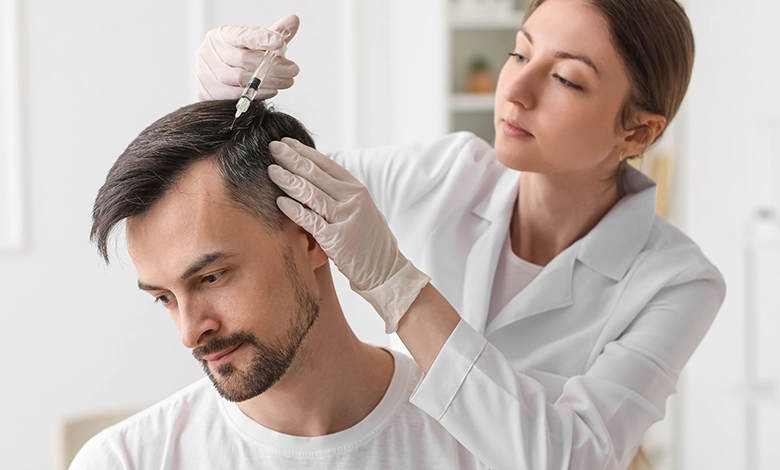

Hair Restoration: When Should You Expect Visible New Growth?

Hair thinning can feel urgent once the scalp becomes easier to see. People want to know when new growth appears. However, hair does not change overnight because each follicle follows its own growth cycle. A hair growth timeline must account for that biology and the treatment used. At Sunshine Cosmetic Clinic & Medi Spa, hair restoration in Mississauga begins with consultation and hair and scalp analysis before a plan is discussed.

The clinic offers several non-surgical hair restoration options so that timing can vary by method and hair condition. Therefore, judge progress over months rather than days. Early changes may be subtle, while clearer growth can take longer. Some people may notice less shedding before they see obvious new strands. Others may first notice that existing hair looks fuller or stronger. Track progress through density, thickness, scalp condition, and repeat photos.

Why New Hair Growth Takes Time

Hair follicles do not all grow at the same time. Instead, each follicle moves through growth, transition, rest, and shedding. Research describes active growth as anagen and rest as telogen. The resting phase can last about two to three months, which helps explain slow visual change. Because follicles are in different stages of the cycle, a hair restoration treatment may affect some hairs before others. A common question is when hair restoration starts working. The answer depends on the treatment, cause of thinning, and follicle response. Therefore, early progress may not look like obvious new strands. A person may notice less shedding or stronger-looking hair before clear visible hair growth becomes easy to judge. Meanwhile, early change may remain hard to see.

What May Change Before New Hair Is Easy to See

Early progress can be hard to notice because hair grows slowly. For that reason, daily mirror checks may be confusing. Photos taken under similar lighting provide a much better comparison over time.

Early Signs Are Often Subtle

Meanwhile, a person may notice changes in shedding or the feel of existing hair before obvious regrowth appears. However, these signs do not prove every follicle will produce new hair.

Visible Change Comes Later

Clearer change may involve:

  • Less scalp showing through in the same lighting
  • Hair thickness improvement in treated areas
  • Hair density improvement across repeat photos
  • New short hairs becoming easier to notice in thinning areas
  • Improved scalp coverage when hair is viewed from the same angle

Because hair cycles are not synchronized, progress can look uneven. Therefore, judge hair restoration results over a planned follow-up period, not a single early snapshot.

How the Hair Growth Cycle Shapes the Timeline

The hair growth cycle explains why a useful timeline is measured in months. During anagen, a follicle produces a hair shaft. Catagen is a short transition, while telogen is a resting period. Shedding follows as the cycle renews. Since nearby follicles can be in different phases, new hairs do not appear together. Research shows the growth phase can last years, while the resting period lasts months. This means early treatment changes may happen before they are easy to see. It also explains why comparing results too soon can give an incomplete picture.

Hair phaseWhat is happeningWhat it means for progress
GrowthHair shaft is producedNew length can develop
TransitionGrowth slowsLittle visible change may occur
RestFollicle pausesResults can seem slow
SheddingOlder hair is releasedNew growth may follow later

Therefore, patience is part of a realistic hair regrowth treatment plan.

Pattern Hair Loss Changes the Starting Point

Not every person starts with the same type of thinning. Male pattern hair loss often follows a different visible pattern than female pattern hair loss. Both can be forms of androgenetic alopecia, a hereditary type of hair loss. However, a blog cannot tell a reader which type of hair loss is present. A proper assessment matters because other causes can produce shedding or thinning.

Meanwhile, the condition of the scalp and follicles can shape a realistic hair thinning treatment plan. In addition, long-standing thinning may not respond the same way as recent changes. Consequently, we should document the starting point before treatment begins. Our clinic uses hair and scalp analysis to carefully review thickness, density, scalp sensitivity, sebum, keratin, and grey-hair statistics before discussing options.

What Can Affect the Speed of Visible Change

There is no single month when every person should expect the same result. However, several factors can change how progress appears. The treatment method matters, yet the starting condition of the hair and scalp matters too. A person’s hair cycle can influence how quickly changes become visible.

Important factors include:

  • the type and pattern of thinning present
  • the condition of hair follicle health and the scalp
  • the treatment plan and number of hair restoration sessions
  • how consistently the recommended plan is followed

Recent hair loss may also start differently than thinning that has progressed for years. In addition, changes in density may become easier to see when follow-up photos use similar lighting and angles. A good scalp health treatment plan should be based on the findings and treatment goals. Because these factors differ, fixed promises are not reliable. For hair restoration in Mississauga, the treatment plan should follow an assessment of the person’s hair and scalp instead of a generic timeline. Therefore, progress is better judged with repeat measurements, photos, and planned follow-up.

How Sunshine Tracks Hair and Scalp Progress

Sunshine Cosmetic Clinic & Medi Spa has more than eight years of published business experience. For hair restoration, our process uses AI-powered hair and scalp analysis to review measurable changes instead of relying only on appearance. During consultation, the clinic collects relevant personal information, including medicine use and medical history. The analyzer can review hair thickness, density, scalp sensitivity, keratin, sebum, and grey hair statistics. Afterward, the clinic reviews the report before discussing a personalized plan.

The clinic process includes:

  • an in-person consultation with hair and scalp analysis
  • education about available treatment options
  • scheduled treatment sessions based on the agreed plan
  • a follow-up comparison using before-and-after photos

This creates a record of the starting point. At medical spa in Mississauga, our goal is to discuss options based on measured hair and scalp conditions rather than guessing from appearance alone.

Why Several Sessions May Be Part of the Plan

One visit may not match the full biology of hair renewal. Because follicles move through different phases, a plan may involve several visits before progress is reviewed. Sunshine states that hair restoration plans are likely to involve several sessions, with appointments booked after the plan is agreed. However, the clinic does not publish one universal schedule for every method or person.

Several sessions create points to review scalp and hair changes over time. They may give the clinic more than one opportunity to check progress as follicle activity changes. The number and spacing of sessions should come from the agreed plan. Therefore, do not copy another person’s schedule. The treatment method and individual hair condition guide the timing.

When Progress Should Be Reviewed

A fair review needs enough time for biological change to become visible. Consequently, a person should not judge success only by the days after treatment. Repeat photos can help because memory and daily mirror checks are unreliable. The clinic’s process includes a follow-up after planned sessions to compare before-and-after photos. That gives a clearer view of changes when they occur.

Sunshine Cosmetic Clinic & Medi Spa may recommend an annual touch-up plan after the treatment course if needed. That makes hair restoration maintenance a later decision, not an automatic promise for every person. Results can vary, and no non-surgical method should be presented as guaranteed. A careful review should consider the original concern, chosen method, measured changes, scalp condition, and treatment goals.

A Practical Time to Judge New Growth

Hair restoration is easier to judge when progress is measured over time instead of day by day. Because follicles follow their own cycles, early treatment may not create fast visual change. Clearer results may appear through scalp coverage, density, thickness, and repeat photos. A consultation can help set a realistic review plan based on the starting condition and selected method. For hair restoration in Mississauga, Sunshine Cosmetic Clinic & Medi Spa uses hair and scalp analysis before discussing personalized treatment options.

The process includes planned sessions, follow-up photos, and maintenance guidance when needed. So the useful question isn’t how fast someone should grow new hair. It is whether measured changes are moving in the right direction for that person’s plan. Book a free hair restoration consultation. Call 289-695-6888 or visit our clinic at 618 Lakeshore Rd E, Mississauga, ON L5G 1J4 to discuss your hair goals with our team today.

Frequently Asked Questions

1. When can you expect visible results from hair restoration treatment?

Visible change usually takes time because hair follicles move through active growth, rest, and shedding phases. The exact timing depends on the treatment method, the starting condition of the hair, and how each person responds. Some people may notice less shedding or thicker-looking hair before new strands become easy to see. Others may notice better scalp coverage in repeat photos before they see clear new growth. Because follicles do not all grow at the same time, progress can appear uneven. For that reason, review results across months rather than days. Consistent photos, similar lighting, and planned follow-up visits can make small changes easier to compare. A realistic timeline should come from the treatment plan, not from another person’s experience.

2. What changes usually appear before noticeable new hair growth?

Early changes may appear before obvious new hair growth becomes easy to see. Some people may notice less shedding, better scalp coverage, or thicker-looking existing hair early in treatment. New strands can still be short, fine, or difficult to notice at first. Because daily mirror checks can make slow changes hard to judge, repeat photos can give a clearer comparison. Using similar lighting, camera angles, and hair placement can make those photos more useful. It is also important to compare progress with the starting condition, not with someone else’s results. Early changes do not prove that every follicle will produce new hair, so follow-up should focus on overall density, thickness, scalp coverage, and the treatment goals set during consultation.

3. Why does hair restoration take several months to show results?

Hair restoration can take several months to show visible results because hair follicles do not grow in one synchronized group. Some follicles are actively growing, while others are resting or preparing to shed. The resting phase can last months, so visible change may be delayed even after treatment has started. In addition, the cause of thinning, the condition of the scalp, and the selected treatment can affect how quickly changes become noticeable. New hairs may begin as short or fine strands, which can make early progress easy to miss. That is why you shouldn’t judge treatment after only a few days or weeks. A better review looks at progress across the planned course, using repeat photos and scalp measurements where appropriate.

4. How does the hair growth cycle affect the treatment timeline?

The hair growth cycle affects treatment timing because each follicle can be in a different phase at the same time. During the active growth phase, a follicle produces a hair shaft. Other follicles may be in transition, rest, or shedding. Because these phases do not happen at the same time, new hairs do not appear all at once after treatment. This is one reason visible progress is usually gradual. A person may notice changes in shedding or thickness before obvious new strands become easy to see. The normal cycle also means that one early photo cannot show the full result. Review progress over time, using the same lighting and viewing angle when possible. The treatment plan should account for these natural growth phases rather than promise one fixed result date.

5. Why are several hair restoration sessions often needed?

Several hair restoration sessions may be needed because hair follicles are not all in the same growth phase at one time. A treatment plan may use more than one visit so progress can be reviewed as different follicles move through their normal cycle. The treatment method, starting hair condition, and individual response can affect the number and spacing of appointments. Sunshine books sessions after consultation and hair and scalp analysis, so the schedule is based on the agreed plan rather than one fixed routine for everyone. Follow-up also gives the clinic a chance to compare changes in density, thickness, scalp coverage, and photos over time. More sessions do not guarantee better results, so the course should remain based on measured progress, treatment goals, and the selected method.

6. When should Hair Restoration in Mississauga results be assessed?

An early review may help check shedding, scalp condition, or treatment response, but it may be too soon to judge visible new growth. Assess hair restoration in Mississauga results after enough time has passed for the planned treatment course and the normal hair cycle to show meaningful change. Sunshine uses follow-up after completed sessions to compare before-and-after photos and review changes over time. Similar lighting, camera angles, and hair placement can make those comparisons more useful. The best review point can vary because the treatment method, starting condition, and individual response are not the same for everyone. For that reason, compare results with your original goals and baseline measurements rather than a fixed calendar date or another person’s outcome.

7. How often are hair restoration sessions scheduled in Mississauga?

Sunshine does not publish one fixed schedule for every hair restoration method in Mississauga. Appointment timing is set after a consultation, hair and scalp analysis, and discussion of the personalized plan. Because the clinic offers several non-surgical options, the number of visits and spacing between them can differ by method and individual need. The starting condition of the hair, the treatment goal, and how the scalp responds may also affect scheduling. Follow-up visits can help the clinic compare photos and review changes in thickness, density, or scalp coverage before continuing the plan. Patients should not copy another person’s schedule because the same timing may not fit their treatment. The safest approach is to follow the schedule provided for the selected method and individual plan.

8. Are maintenance treatments needed after hair growth improves?

Maintenance treatments vary by person and by hair restoration method. Sunshine’s process includes follow-up after the planned treatment course, and the clinic may recommend an annual touch-up plan when needed. The decision should be based on measured progress, the chosen method, ongoing thinning, and the condition of the hair and scalp. Maintenance should not be treated as an automatic requirement or a guarantee of continued growth. Some people may need periodic review because hair loss can keep changing over time. Repeat photos and scalp analysis can help show whether density, thickness, or coverage are being maintained. A follow-up discussion can also help decide whether more treatment is appropriate, whether the plan should change, or whether no additional session is needed at that time.

Why Does Microneedling Keep Working After Skin Redness Is Gone?

Redness may fade within a day, yet skin can keep changing for weeks. This can make people wonder whether microneedling has stopped working once skin looks calm. Microneedling has not. It creates controlled micro‑injuries that start repair below the skin. Early redness is one visible part of that response. At Sunshine Cosmetic Clinic & Medi Spa, we provide microneedling in Mississauga with SkinPen and a personalized approach.

Our free consultation helps clients discuss skin concerns, skin goals, and expected recovery. Deeper repair can continue once skin redness after microneedling has settled. Because collagen changes take time, improvement may appear gradually rather than all at once. Understanding this difference helps people judge progress and avoid expecting final results during early recovery.

Why Redness Can End Before Skin Remodeling Does

Microneedling uses fine needles to create controlled micro-injuries in the skin. This process is often called collagen induction therapy because the tiny injuries start the body’s repair response. Redness appears early because the skin has just been treated. However, redness does not show the full healing timeline. The American Academy of Dermatology notes that redness or darker shading may last several days to a week.

Research shows that tissue remodeling can continue for weeks or months. During this stage, fibroblasts help form and organize collagen. The microneedling skin healing process therefore continues after the surface looks more normal. A calmer surface can mean the visible reaction has eased while deeper repair keeps moving. The visible phase can end sooner.

What Happens Under the Skin After Treatment

Skin repair moves through linked phases. Inflammation starts after controlled injury, while later repair involves new tissue and collagen remodeling. Research shows that newer collagen can mature and reorganize over weeks to months. This helps explain microneedling collagen production and why visible improvement may develop slowly.

Early Healing Is Only One Phase

Post-microneedling redness is part of the early recovery period. It can improve before deeper skin changes have finished. So, less redness doesn’t mean the treatment effect has ended.

Remodeling Needs More Time

Collagen remodeling after microneedling continues as new collagen matures and becomes better organized. Because this process is gradual, texture and scar changes may become clearer later. This slower timeline is why early photos may not show the result.

When Results May Start to Become Noticeable

People often ask when microneedling results show. This matters because skin can look calm before a clear change is visible. Sunshine’s SkinPen information says early improvements may appear within days, with continued changes over several weeks to months. However, timing can vary by concern, treatment depth, healing response, and number of sessions.

The microneedling results timeline should therefore be viewed as gradual rather than fixed. Some people may notice smoother-looking skin sooner, while scars or fine lines may take longer. How long does microneedling take to work? Surface recovery and deeper remodeling follow different schedules. That difference affects expectations. Visible redness may settle early while collagen changes continue below the surface.

What Sunshine Lists for SkinPen Treatment

Sunshine Cosmetic Clinic & Medi Spa uses SkinPen for its microneedling service. The clinic identifies SkinPen as its treatment device. Trained nurses and medical aestheticians perform treatments. Its service details list the face, neck, and body as treatment areas. A typical appointment is listed at about 60 minutes, with recovery up to two days.

Service detailPublished informationWhy it mattersWhat to confirm
DeviceSkinPenIdentifies the microneedling device usedWhether it suits the client’s skin concern
Treatment areasFace, neck, and bodyShows the areas listed for treatmentWhich areas the personal plan will cover
Typical treatment timeAbout 60 minutesHelps clients plan their appointmentWhether preparation and aftercare are included
Listed recoveryUp to two daysHelps clients plan around possible downtimeExpected redness, swelling, or sensitivity
Listed concernsWrinkles, pigmentation, acne scars, and stretch marksConnects treatment with common concernsWhich concern the treatment will address
ConsultationFree virtual or in-person consultationGives clients two ways to discuss treatmentWhich consultation format fits their needs
Brand experience8+ yearsShows the clinic’s published business experienceThe treating provider’s relevant experience

Consultation can refine those general details. People considering microneedling in Mississauga can use these details as a starting point. However, personal needs should still guide the treatment plan.

Different Skin Concerns Can Improve at Different Rates

Treatment goals can shape how progress is judged. Someone treating mild texture concerns may expect different changes than someone treating established scars. The FDA has cleared microneedling devices for certain uses, including improving facial acne scars and facial wrinkles in adults.

Common goals can include:

  • Microneedling for acne scars, where scar type and depth can affect the treatment course.
  • Microneedling for uneven skin texture, where gradual smoothing may become clearer as healing continues.
  • Microneedling for large pores, where expectations should stay realistic because pore appearance varies.
  • Microneedling for fine lines, where collagen changes may matter more than early redness.

Because concerns differ, compare progress to the goal rather than redness. Microneedling skin rejuvenation is a process, not one instant surface change.

Why Several Sessions May Be Recommended

One treatment can start a healing response, yet some concerns may need a series. The FDA notes that more than one procedure may be needed for the desired aesthetic improvement. Sunshine Cosmetic Clinic & Medi Spa says many clients may benefit from three to six SkinPen sessions. The service page lists spacing of about four to six weeks, depending on goals and concerns.

The question of how many microneedling sessions are needed therefore has no single answer. Likewise, how long between microneedling sessions depends on recovery and the treatment plan. Spacing gives skin time to heal before another controlled treatment. It gives the provider time to review progress. More treatment is not automatically better, so timing should reflect skin needs and response.

Recovery and Safety Still Matter After Redness Fades

A calmer surface does not mean every skin-care product should return right away. The FDA notes that treated skin may remain more sensitive to sunlight and some products. Sunshine advises sunscreen and avoiding sun exposure. It recommends no makeup for at least 24 hours and no retinol or exfoliating products for three days.

Practical aftercare includes:

  • follow the provider’s instructions for the treated area
  • protect recovering skin from unnecessary sun exposure
  • avoid products that may irritate sensitive skin
  • report severe, worsening, or unexpected reactions

The listed microneedling recovery time may be short, but common effects can include redness, tightness, dryness, itching, peeling, or discomfort. Less common risks can include pigment changes, cold sore reactivation, or infection. Recovery advice may differ by treatment depth.

Confirm That Recovery Is Stable Before Measuring Progress

The best time to assess early progress is after short-term irritation has settled. However, skin should feel comfortable during cleansing, moisturizing, and sunscreen use. New redness, warmth, swelling, or tenderness may mean recovery is not complete. Therefore, clients should avoid judging texture while temporary swelling or peeling remains. They should follow the provider’s timing for restarting active products and planning another treatment. Photos taken before treatment and after recovery can support a fair comparison.

Moreover, consistent lighting and camera distance make small changes easier to notice. If symptoms worsen or last longer than expected, clients should contact our medical spa in Mississauga so the provider can review their skin before measuring progress. Record the treatment date, products used, reactions, and recovery length. This record helps the provider compare sessions and adjust future care.

How to Judge Results Without Rushing the Process

A fair review looks beyond fading redness. Track progress with consistent photos, similar lighting, and a clear treatment goal. Daily checking can make changes hard to notice, while spaced reviews give a clearer picture of gradual change.

Useful signs to review include:

  • Texture changes after short-term swelling has settled
  • Changes in scars or fine lines across several weeks
  • How the skin recovers before another planned session
  • Whether future maintenance fits the person’s goals

Also, how long microneedling results last has no fixed answer for everyone. Sunshine says SkinPen results may last from several months to a year, depending on skin condition, lifestyle, and maintenance. Judge results against the reason for treatment, not a promise of identical outcomes.

Let Healing Time Work With the Treatment Plan

Microneedling should be judged by more than early redness. Surface reactions can settle quickly, while collagen formation and remodeling continue below the skin. Research describes new collagen maturing over weeks to months, which helps explain gradual changes in texture and scars. For people considering microneedling in Mississauga, our SkinPen service includes a free consultation to discuss goals, recovery, and treatment planning. Before treatment, ask about provider training, candidacy, aftercare, and realistic timing.

This matters because good care includes both the procedure and the recovery period. A medical spashould avoid promising that every person will improve at the same rate. Results depend on the concern, individual healing, and treatment course. Patience remains part of planning. Call Sunshine Cosmetic Clinic & Medi Spa at 289-695-6888 to book a free microneedling consultation. Visit 618 Lakeshore Rd E, Mississauga, ON L5G 1J4, for personalized care today and discuss goals.

Frequently Asked Questions

Why does microneedling keep working after the redness disappears?

Redness reflects the early skin response, not the full treatment timeline. Microneedling creates controlled punctures that start the body’s wound-healing process. During later healing, fibroblasts can keep producing and organizing collagen below the skin’s surface. So visible calm doesn’t mean deeper remodeling has ended. Texture, scars, and fine lines may continue changing over several weeks or months. However, the amount and speed of improvement vary between people. Treatment depth, skin condition, age, healing response, and the number of sessions may affect progress. Clients should follow aftercare and allow enough recovery before judging the outcome. Consistent photos can help show gradual changes. During follow-up visits, a provider can compare those changes with the original treatment goal and planned course.

How long does collagen production continue after microneedling?

Collagen changes may continue for several weeks or months after microneedling. The early redness usually settles before the full remodeling process is complete. During healing, newly formed collagen can mature, organize, and support gradual changes below the surface. However, there is no timeline for every person. Treatment depth, age, skin condition, treatment area, and healing response can affect the pace. Scars, texture, and fine lines may change at different rates. Therefore, clients should not use fading redness as the final result date. Photos taken in similar lighting can help show progress over time. A provider may review the skin between sessions and adjust the plan. Another treatment should wait until the skin has recovered and the recommended interval has passed.

When do microneedling results usually become noticeable?

Early changes may become noticeable within several days, especially after redness and swelling settle. However, improvement may develop across several weeks or months. Sunshine’s SkinPen information describes continued enhancement as collagen production increases. Texture, scars, fine lines, and tone may not change at the same speed. Therefore, compare results with the concern that led to treatment. Temporary swelling can make skin appear smoother before recovery is complete. Clients should avoid treating this early effect as the outcome. Consistent photos can provide a clearer comparison across the planned treatment course. The provider may review healing and progress before another session. Because every response differs, no exact day can guarantee visible improvement or the same result for every client.

Can skin texture keep improving weeks after microneedling?

Yes. Skin texture may continue changing for weeks or months after redness settles. Surface recovery often happens before tissue remodeling is complete. During this period, new collagen can mature and reorganize below the skin. As a result, changes may become easier to notice over time. However, improvement varies by person and cannot be guaranteed. Treatment depth, skin condition, healing response, age, and session count may affect progress. Short-term swelling can temporarily make skin look smoother, so early comparisons may be misleading. Clients can use photos taken in similar lighting and at similar distances. They should wait until the skin feels calm before judging texture. A provider can review progress, compare it with the treatment goal, and decide whether further care is appropriate.

Why are several microneedling sessions often needed for better results?

Several sessions may be recommended because one procedure may not create the desired improvement. The FDA notes that some people need more than one procedure for their treatment goal. Sunshine describes three to six SkinPen sessions, depending on skin concerns and goals. Each appointment creates another controlled healing response. However, the skin needs suitable time to recover and remodel between visits. More sessions do not mean that treatments should be rushed. A provider should review redness, sensitivity, healing, treatment depth, and progress before continuing. The recommended number may differ for scars, fine lines, texture, or pigmentation concerns. Therefore, a treatment series should remain personal. Clients should understand the expected course, possible risks, recovery needs, and maintenance plan before booking several sessions.

How long should you wait between microneedling sessions in Mississauga?

Sunshine’s SkinPen guidance commonly describes sessions spaced about four to six weeks apart. However, this range is a starting point, not a rule for every client. The right interval depends on skin concerns, treatment depth, healing, sensitivity, and the planned treatment course. The skin should feel calm before another session. Redness, swelling, peeling, unusual tenderness, or worsening irritation may mean you need more recovery time. Therefore, clients should follow the provider’s recommendation rather than book based on the calendar alone. Home products and recent procedures may also affect timing. A consultation can review the previous response and skin condition. The provider can delay or adjust another treatment when needed. Safe spacing supports recovery while collagen remodeling continues below the skin’s surface.

When should microneedling results be assessed in Mississauga?

Assess microneedling results after redness, swelling, and surface irritation have settled. However, one early review may not show the full outcome. Initial changes can appear within days, while collagen remodeling may continue for weeks or months. Therefore, compare progress across the planned treatment course. Photos work best when lighting, distance, angle, and facial position remain consistent. The review should focus on the original concern, such as texture, scars, or fine lines. Clients should record recovery time and any reactions after each session. This information helps the provider judge progress and plan future care. A consultation may be useful before another treatment. Assess results against the starting point and personal goal, not another person’s outcome.

How long can microneedling results last after collagen remodeling?

Microneedling results may last for several months, but there is no fixed duration for everyone. Sunshine states that SkinPen results may last from several months to one year. Skin condition, lifestyle, maintenance, sun exposure, age, and future skin changes may affect that period. However, microneedling does not stop normal aging or prevent new concerns from developing. The FDA notes that improvements may be temporary and maintenance can require additional procedures. Therefore, clients should judge duration from their own starting point and treatment goal. Consistent skin care and sun protection may help support the skin, but they cannot guarantee a set result period. A provider can review changes over time and discuss whether maintenance fits the client’s response, needs, and preferences.

How Many Sessions Does Full Body Laser Hair Removal Usually Take?

Unwanted body hair feels endless. Many people want lasting results but aren’t sure how many visits they will need. Full body laser hair removal can feel confusing because hair grows at different rates on different parts of the body. Laser hair removal in Mississauga includes a planned way to reduce unwanted hair over time. At Shine Cosmetic Clinic & Medi Spa, we use a method that follows each client’s concerns and goals.

A free consultation can help set expectations before laser hair removal treatment begins. This matters because full-body laser hair removal sessions depend on hair growth in the treated area, skin and hair characteristics, hormones, and how the body responds. A good plan follows the body’s natural hair cycle rather than promising a fixed number of sessions for every person.

How Many Sessions Are Usually Needed?

Do you know how many laser hair removal sessions are enough for useful reduction? There is no fixed number for every person. Clinical guidance often suggests four to six sessions as a minimum in many cases. However, full-body care may require more because each body area responds at a different rate. How many sessions for full body laser hair removal has no single answer for that reason. For example, some areas may show less growth sooner, while others need more treatment. Therefore, the course should change with the person’s response. A good laser hair removal treatment plan considers body area, hair color, hair thickness, skin tone, hormones, device choice, and treatment response. These factors shape laser removal results and the path toward long-term hair reduction.

Why Several Treatments Are Needed

Laser hair removal targets pigment in the hair follicle. The light energy becomes heat, which damages the target. However, follicles do not grow in sync. Because of this, one visit cannot treat every hair at its best stage.

Active Growth Matters

The anagen hair growth phaseis the active stage. Hair responds best to laser treatment during this phase. Therefore, repeated visits help reach more hairs as they enter active growth. This is one reason a complete treatment course usually takes several months.

Full-Body Timing Varies

The laser hair removal hair growth cycle can differ by body area. Legs, underarms, bikini areas, back, chest, and face may not follow the same pace. That is why laser hair removal treatment sessions are spread out over time. Some areas may show progress sooner, while others may need more time.

A spaced course gives more active hairs time to appear before another visit.

What Can Change the Number of Sessions?

Several factors can affect the number of visits needed. Health Canada notes that results can depend on skin and hair color, body area, device settings, number of treatments, and operator skill. Hormonal status can matter as well. So, a consultation should look beyond the amount of visible hair.

  • Hair color and thickness can affect how well the target absorbs laser energy.
  • Body areas can respond at different speeds because growth cycles vary.
  • Hormonal changes can influence new growth or regrowth.
  • Device choice and settings can affect treatment response.
  • Missed or poorly spaced visits can make progress harder to judge.

Laser hair removal for coarse hair may respond differently from finer hair because pigment and shaft size matter. However, every person still needs an individual review.

How Session Spacing Shapes the Timeline

Spacing is part of treatment because more follicles need time to enter active growth. Clinical references often describe early visits around four to six weeks apart. However, the right interval can vary by body area and treatment response. Therefore, you shouldn’t copy another person’s laser hair removal schedule.

Planning factorWhy it matters
Body area  Different areas follow different hair growth cycles
Hair features  Hair color and thickness affect laser response
Skin tone  Treatment settings may change for different skin tones
Hormonal status  Hormonal changes can affect hair growth and regrowth
Treatment response  Progress may affect later sessions and treatment timing
Treatment area size  Larger areas may need more time during each visit
Session consistency  Regular visits help keep treatment aligned with growth cycles

People often ask how long between laser hair removal sessions is ideal. The full laser hair removal timeline may stretch across several months when you treat many areas.

Why Different Body Areas May Respond Differently

Full-body care covers many areas, but those areas don’t share the same growth pattern. Research shows that hair location can affect treatment response. As a result, one area may show clear reduction while another still needs more visits. At Sunshine Cosmetic Clinic & Medi Spa, we use a personalized approach rather than treating every concern the same way.

A full-body plan may review:

  • face and neck areas with frequent visible regrowth
  • underarms and bikini areas with thicker hair
  • arms and legs with different growth patterns
  • chest, abdomen, or back where density can vary
  • areas affected by ongoing hormonal changes

For this reason, full body laser hair reduction should be judged across the full course. People planning full-body care should expect progress to vary by area. Hair regrowth after laser hair removal can vary as well.

Skin Tone, Hair Type, and Hormones Matter

Laser hair removal works by targeting melanin in the hair follicle. As a result, hair color and skin pigment can affect treatment planning. Health Canada explains that both can influence effectiveness and risk. This makes laser hair removal for different skin types an important part of a careful plan.

Hair Features Affect the Target

For example, dark, coarse hair may provide more pigment for laser energy to target. Very light, grey, red, or white hair can respond less well because it contains less useful pigment.

Hormones Can Affect Regrowth

Hormonal status can change hair growth patterns. As a result, some people may need a longer course or future touch-ups.

Clients can discuss their goals during a free consultation at a medical Spa in Mississauga before committing to treatment.

Why Laser Hair Removal Needs a Personalized Approach

Hair growth patterns can vary widely from one person to another. Therefore, the same treatment plan may not suit every client. Skin tone, hair color, hair thickness, treatment area, and past response can affect how care is planned. Hormonal changes may also influence growth patterns. At Sunshine Cosmetic Clinic & Medi Spa, we offer laser Hair Removal in Mississauga with a personalized approach based on each client’s goals and treatment areas. We offer 10+ laser hair removal and hair restoration technologies for men and women as part of our hair treatment services.

We begin with a consultation to understand hair features, skin tone, and expected results. We can also review progress as treatments continue. A personalized approach matters because laser settings and treatment timing should match the person’s skin and hair features. Proper planning can support better laser hair removal results while keeping skin safety in mind. It can also help set realistic expectations about how many visits may be needed.

Safety and Preparation Should Stay Part of the Plan

Laser treatment uses concentrated energy, so safety matters at every visit. Health Canada advises people to consider operator training, device choice, skin and hair color, and proper eye protection. Tanning can raise skin pigment and may increase treatment risk. As a result, people should follow preparation and aftercare instructions.

Important safety points include:

  • avoid tanning around treatment when advised
  • follow guidance about shaving and other hair removal methods
  • wear proper eye protection during treatment
  • report skin, medicine, or health changes before treatment
  • follow aftercare guidance for redness or sensitivity

However, temporary redness, swelling, discomfort, or pigment change can occur. Burns, blisters, infection, scarring, and eye injury are more serious risks. A careful plan should balance desired reduction with skin safety.

Set Expectations Around Hair Growth and Response

A good full-body plan follows hair biology and the person’s response. So treat a fixed number as an estimate, not a guarantee. Laser hair removal for men and women can involve different body areas, hair density, skin tones, and growth patterns. A personalized schedule helps keep those differences in view. Review progress throughout the treatment course. This helps show which areas are responding well and which may need more time.

Plan Your Laser Hair Removal With Personalized Care

A free consultation can help set clear expectations for the treatment course, progress, and possible maintenance. Sunshine Cosmetic Clinic & Medi Spa provides non-surgical aesthetic care with an individual treatment-planning approach. We offer hair removal in Mississauga for clients who want a personalized plan based on their goals, treatment areas, and hair growth patterns. The aim is steady, safe reduction across treated areas.

Laser hair removal maintenance sessions may be useful when hair returns later. A careful plan keeps realistic goals at the center. Call us at (289) 695-6888 to discuss a personalized laser hair removal plan at 618 Lakeshore Rd E, Mississauga, ON L5G 1J4, and book a free consultation today for your goals and schedule.

Frequently Asked Questions

How many full body laser hair removal sessions do most people need?

Most people need several treatments rather than a single visit. Clinical guidance often describes four to six sessions as an initial course, although some people may need more. Full-body treatment can take longer because each area may respond at a different pace. Hair thickness, hair color, skin tone, hormones, treatment settings, and past response can all affect the total number. Areas with coarse, dark hair may respond differently from areas with finer hair. Hormonal changes may also lead to continued or new growth. Because of these differences, no fixed number works for everyone. A consultation helps estimate the likely treatment course and gives the provider a chance to adjust the plan as progress becomes clearer.

Why does full body laser hair removal require several sessions?

Full-body laser hair removal requires several sessions because hair does not grow at the same time. Each follicle moves through its own growth cycle. Laser treatment works best when hair is in the active growth stage, when the follicle contains more pigment and is connected to the hair root. However, only part of the body hair is in this stage during one visit. Other hairs may be resting or moving between stages. Therefore, one session cannot target every follicle at its most responsive time. Repeated appointments give more hairs a chance to enter active growth. Over several sessions, this can support wider hair reduction across treated areas. Treatment spacing is important because it allows the next group of active hairs to become ready for treatment.

How does the hair growth cycle affect the number of laser sessions?

The hair growth cycle plays a major role in how many laser sessions a person may need. Hair moves through active growth, transition, and resting stages. Laser treatment is most effective during active growth because the hair is still connected to the follicle. However, only some hairs are in this stage during each appointment. The rest may be resting or moving into another stage. Because of this, repeated treatments are needed to reach more follicles over time. Different body areas can also have different growth rates. Facial hair may follow a different pattern from leg, chest, back, or underarm hair. Then, both the number of sessions and the time between visits may change based on the treatment area and individual response.

Do different body areas need different numbers of laser sessions?

Yes. Different body areas may need different numbers of laser hair removal sessions. Hair density, thickness, growth speed, and hormone sensitivity can vary from one area to another. For example, underarm or bikini hair may be thicker than hair on the arms or certain parts of the face. Hair on the back, chest, legs, and face can also follow different growth cycles. As a result, one area may show visible reduction sooner while another may need more visits. A full-body treatment plan should account for these differences rather than assume every area will respond at the same rate. Progress may be reviewed during the treatment course so timing, session count, and expectations can be adjusted for each area when needed.

Can hair type, skin tone, or hormones increase the number of sessions?

Yes. Hair type, skin tone, and hormones can all affect how many laser hair removal sessions you need. Darker and coarser hair often contains more pigment for the laser to target. Very light, grey, red, or white hair may respond less well because it contains less pigment for the laser to target. Skin tone can also affect treatment planning because laser settings must be selected with skin safety in mind. Hormonal changes may influence how much hair grows and where it appears. Conditions or life stages linked with hormone changes may lead to continued or new growth. As a result, some people may need a longer treatment course or future touch-up sessions. A personal assessment helps create safer settings and more realistic expectations for results.

How many sessions are common for Full Body Laser Hair Removal in Mississauga?

There is no single session number that applies to every person receiving full-body laser hair removal. Clinical guidance often describes four to six treatments as an initial course, but some people may need additional visits. The final number depends on the areas treated, hair color, hair thickness, skin tone, hormonal factors, treatment settings, and individual response. Full-body plans can take longer because different areas may progress at different speeds. At Sunshine Cosmetic Clinic & Medi Spa, clients can discuss their goals during a consultation before treatment begins. This helps build a more suitable plan based on the areas being treated. Progress can also be reviewed during the course so future sessions can be adjusted when needed.

How far apart are full body laser hair removal sessions in Mississauga?

Laser hair removal sessions are often spaced several weeks apart because hair needs time to move into the active growth stage. Clinicians commonly recommend early appointments about four to six weeks apart, though the right interval can vary. Facial hair may follow a different cycle from hair on the legs, back, chest, arms, or bikini area. Treatment response can also affect future timing. Therefore, full-body schedules should not follow one fixed interval for every person or every area. At Sunshine Cosmetic Clinic & Medi Spa, treatment planning can consider the client’s goals, body areas, hair features, and progress. Proper spacing gives follicles more time to enter active growth and helps keep the treatment course aligned with natural hair cycles.

Will you need maintenance sessions after finishing laser hair removal?

Some people may need maintenance sessions after completing their main laser hair removal course. Laser treatment can provide long-term hair reduction, but it does not always mean that every treated hair will disappear forever. Some follicles may become active again later, while new growth can appear because of hormonal changes, age, or other factors. Regrowth can vary by body area and person. Some people may notice only a small amount of finer hair, while others may need more regular touch-up visits. Maintenance schedules vary from person to person. A provider can review how much hair returns, where it appears, and how quickly it grows before recommending another session. Judge ongoing results over time rather than promise them after one treatment course.

Dermal Filler

Sign Up For This Super Deal Now!

*Applied to new clients only