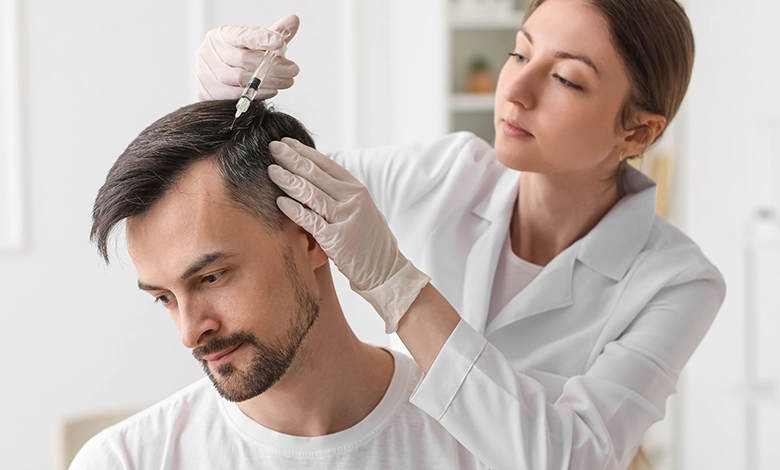
Hair thinning can feel urgent once the scalp becomes easier to see. People want to know when new growth appears. However, hair does not change overnight because each follicle follows its own growth cycle. A hair growth timeline must account for that biology and the treatment used. At Sunshine Cosmetic Clinic & Medi Spa, hair restoration in Mississauga begins with consultation and hair and scalp analysis before a plan is discussed.
The clinic offers several non-surgical hair restoration options so that timing can vary by method and hair condition. Therefore, judge progress over months rather than days. Early changes may be subtle, while clearer growth can take longer. Some people may notice less shedding before they see obvious new strands. Others may first notice that existing hair looks fuller or stronger. Track progress through density, thickness, scalp condition, and repeat photos.
Why New Hair Growth Takes Time
Hair follicles do not all grow at the same time. Instead, each follicle moves through growth, transition, rest, and shedding. Research describes active growth as anagen and rest as telogen. The resting phase can last about two to three months, which helps explain slow visual change. Because follicles are in different stages of the cycle, a hair restoration treatment may affect some hairs before others. A common question is when hair restoration starts working. The answer depends on the treatment, cause of thinning, and follicle response. Therefore, early progress may not look like obvious new strands. A person may notice less shedding or stronger-looking hair before clear visible hair growth becomes easy to judge. Meanwhile, early change may remain hard to see.
What May Change Before New Hair Is Easy to See
Early progress can be hard to notice because hair grows slowly. For that reason, daily mirror checks may be confusing. Photos taken under similar lighting provide a much better comparison over time.
Early Signs Are Often Subtle
Meanwhile, a person may notice changes in shedding or the feel of existing hair before obvious regrowth appears. However, these signs do not prove every follicle will produce new hair.
Visible Change Comes Later
Clearer change may involve:
- Less scalp showing through in the same lighting
- Hair thickness improvement in treated areas
- Hair density improvement across repeat photos
- New short hairs becoming easier to notice in thinning areas
- Improved scalp coverage when hair is viewed from the same angle
Because hair cycles are not synchronized, progress can look uneven. Therefore, judge hair restoration results over a planned follow-up period, not a single early snapshot.
How the Hair Growth Cycle Shapes the Timeline
The hair growth cycle explains why a useful timeline is measured in months. During anagen, a follicle produces a hair shaft. Catagen is a short transition, while telogen is a resting period. Shedding follows as the cycle renews. Since nearby follicles can be in different phases, new hairs do not appear together. Research shows the growth phase can last years, while the resting period lasts months. This means early treatment changes may happen before they are easy to see. It also explains why comparing results too soon can give an incomplete picture.
| Hair phase | What is happening | What it means for progress |
| Growth | Hair shaft is produced | New length can develop |
| Transition | Growth slows | Little visible change may occur |
| Rest | Follicle pauses | Results can seem slow |
| Shedding | Older hair is released | New growth may follow later |
Therefore, patience is part of a realistic hair regrowth treatment plan.
Pattern Hair Loss Changes the Starting Point
Not every person starts with the same type of thinning. Male pattern hair loss often follows a different visible pattern than female pattern hair loss. Both can be forms of androgenetic alopecia, a hereditary type of hair loss. However, a blog cannot tell a reader which type of hair loss is present. A proper assessment matters because other causes can produce shedding or thinning.
Meanwhile, the condition of the scalp and follicles can shape a realistic hair thinning treatment plan. In addition, long-standing thinning may not respond the same way as recent changes. Consequently, we should document the starting point before treatment begins. Our clinic uses hair and scalp analysis to carefully review thickness, density, scalp sensitivity, sebum, keratin, and grey-hair statistics before discussing options.
What Can Affect the Speed of Visible Change
There is no single month when every person should expect the same result. However, several factors can change how progress appears. The treatment method matters, yet the starting condition of the hair and scalp matters too. A person’s hair cycle can influence how quickly changes become visible.
Important factors include:
- the type and pattern of thinning present
- the condition of hair follicle health and the scalp
- the treatment plan and number of hair restoration sessions
- how consistently the recommended plan is followed
Recent hair loss may also start differently than thinning that has progressed for years. In addition, changes in density may become easier to see when follow-up photos use similar lighting and angles. A good scalp health treatment plan should be based on the findings and treatment goals. Because these factors differ, fixed promises are not reliable. For hair restoration in Mississauga, the treatment plan should follow an assessment of the person’s hair and scalp instead of a generic timeline. Therefore, progress is better judged with repeat measurements, photos, and planned follow-up.
How Sunshine Tracks Hair and Scalp Progress
Sunshine Cosmetic Clinic & Medi Spa has more than eight years of published business experience. For hair restoration, our process uses AI-powered hair and scalp analysis to review measurable changes instead of relying only on appearance. During consultation, the clinic collects relevant personal information, including medicine use and medical history. The analyzer can review hair thickness, density, scalp sensitivity, keratin, sebum, and grey hair statistics. Afterward, the clinic reviews the report before discussing a personalized plan.
The clinic process includes:
- an in-person consultation with hair and scalp analysis
- education about available treatment options
- scheduled treatment sessions based on the agreed plan
- a follow-up comparison using before-and-after photos
This creates a record of the starting point. At medical spa in Mississauga, our goal is to discuss options based on measured hair and scalp conditions rather than guessing from appearance alone.
Why Several Sessions May Be Part of the Plan
One visit may not match the full biology of hair renewal. Because follicles move through different phases, a plan may involve several visits before progress is reviewed. Sunshine states that hair restoration plans are likely to involve several sessions, with appointments booked after the plan is agreed. However, the clinic does not publish one universal schedule for every method or person.
Several sessions create points to review scalp and hair changes over time. They may give the clinic more than one opportunity to check progress as follicle activity changes. The number and spacing of sessions should come from the agreed plan. Therefore, do not copy another person’s schedule. The treatment method and individual hair condition guide the timing.
When Progress Should Be Reviewed
A fair review needs enough time for biological change to become visible. Consequently, a person should not judge success only by the days after treatment. Repeat photos can help because memory and daily mirror checks are unreliable. The clinic’s process includes a follow-up after planned sessions to compare before-and-after photos. That gives a clearer view of changes when they occur.
Sunshine Cosmetic Clinic & Medi Spa may recommend an annual touch-up plan after the treatment course if needed. That makes hair restoration maintenance a later decision, not an automatic promise for every person. Results can vary, and no non-surgical method should be presented as guaranteed. A careful review should consider the original concern, chosen method, measured changes, scalp condition, and treatment goals.
A Practical Time to Judge New Growth
Hair restoration is easier to judge when progress is measured over time instead of day by day. Because follicles follow their own cycles, early treatment may not create fast visual change. Clearer results may appear through scalp coverage, density, thickness, and repeat photos. A consultation can help set a realistic review plan based on the starting condition and selected method. For hair restoration in Mississauga, Sunshine Cosmetic Clinic & Medi Spa uses hair and scalp analysis before discussing personalized treatment options.
The process includes planned sessions, follow-up photos, and maintenance guidance when needed. So the useful question isn’t how fast someone should grow new hair. It is whether measured changes are moving in the right direction for that person’s plan. Book a free hair restoration consultation. Call 289-695-6888 or visit our clinic at 618 Lakeshore Rd E, Mississauga, ON L5G 1J4 to discuss your hair goals with our team today.
Frequently Asked Questions
1. When can you expect visible results from hair restoration treatment?
Visible change usually takes time because hair follicles move through active growth, rest, and shedding phases. The exact timing depends on the treatment method, the starting condition of the hair, and how each person responds. Some people may notice less shedding or thicker-looking hair before new strands become easy to see. Others may notice better scalp coverage in repeat photos before they see clear new growth. Because follicles do not all grow at the same time, progress can appear uneven. For that reason, review results across months rather than days. Consistent photos, similar lighting, and planned follow-up visits can make small changes easier to compare. A realistic timeline should come from the treatment plan, not from another person’s experience.
2. What changes usually appear before noticeable new hair growth?
Early changes may appear before obvious new hair growth becomes easy to see. Some people may notice less shedding, better scalp coverage, or thicker-looking existing hair early in treatment. New strands can still be short, fine, or difficult to notice at first. Because daily mirror checks can make slow changes hard to judge, repeat photos can give a clearer comparison. Using similar lighting, camera angles, and hair placement can make those photos more useful. It is also important to compare progress with the starting condition, not with someone else’s results. Early changes do not prove that every follicle will produce new hair, so follow-up should focus on overall density, thickness, scalp coverage, and the treatment goals set during consultation.
3. Why does hair restoration take several months to show results?
Hair restoration can take several months to show visible results because hair follicles do not grow in one synchronized group. Some follicles are actively growing, while others are resting or preparing to shed. The resting phase can last months, so visible change may be delayed even after treatment has started. In addition, the cause of thinning, the condition of the scalp, and the selected treatment can affect how quickly changes become noticeable. New hairs may begin as short or fine strands, which can make early progress easy to miss. That is why you shouldn’t judge treatment after only a few days or weeks. A better review looks at progress across the planned course, using repeat photos and scalp measurements where appropriate.
4. How does the hair growth cycle affect the treatment timeline?
The hair growth cycle affects treatment timing because each follicle can be in a different phase at the same time. During the active growth phase, a follicle produces a hair shaft. Other follicles may be in transition, rest, or shedding. Because these phases do not happen at the same time, new hairs do not appear all at once after treatment. This is one reason visible progress is usually gradual. A person may notice changes in shedding or thickness before obvious new strands become easy to see. The normal cycle also means that one early photo cannot show the full result. Review progress over time, using the same lighting and viewing angle when possible. The treatment plan should account for these natural growth phases rather than promise one fixed result date.
5. Why are several hair restoration sessions often needed?
Several hair restoration sessions may be needed because hair follicles are not all in the same growth phase at one time. A treatment plan may use more than one visit so progress can be reviewed as different follicles move through their normal cycle. The treatment method, starting hair condition, and individual response can affect the number and spacing of appointments. Sunshine books sessions after consultation and hair and scalp analysis, so the schedule is based on the agreed plan rather than one fixed routine for everyone. Follow-up also gives the clinic a chance to compare changes in density, thickness, scalp coverage, and photos over time. More sessions do not guarantee better results, so the course should remain based on measured progress, treatment goals, and the selected method.
6. When should Hair Restoration in Mississauga results be assessed?
An early review may help check shedding, scalp condition, or treatment response, but it may be too soon to judge visible new growth. Assess hair restoration in Mississauga results after enough time has passed for the planned treatment course and the normal hair cycle to show meaningful change. Sunshine uses follow-up after completed sessions to compare before-and-after photos and review changes over time. Similar lighting, camera angles, and hair placement can make those comparisons more useful. The best review point can vary because the treatment method, starting condition, and individual response are not the same for everyone. For that reason, compare results with your original goals and baseline measurements rather than a fixed calendar date or another person’s outcome.
7. How often are hair restoration sessions scheduled in Mississauga?
Sunshine does not publish one fixed schedule for every hair restoration method in Mississauga. Appointment timing is set after a consultation, hair and scalp analysis, and discussion of the personalized plan. Because the clinic offers several non-surgical options, the number of visits and spacing between them can differ by method and individual need. The starting condition of the hair, the treatment goal, and how the scalp responds may also affect scheduling. Follow-up visits can help the clinic compare photos and review changes in thickness, density, or scalp coverage before continuing the plan. Patients should not copy another person’s schedule because the same timing may not fit their treatment. The safest approach is to follow the schedule provided for the selected method and individual plan.
8. Are maintenance treatments needed after hair growth improves?
Maintenance treatments vary by person and by hair restoration method. Sunshine’s process includes follow-up after the planned treatment course, and the clinic may recommend an annual touch-up plan when needed. The decision should be based on measured progress, the chosen method, ongoing thinning, and the condition of the hair and scalp. Maintenance should not be treated as an automatic requirement or a guarantee of continued growth. Some people may need periodic review because hair loss can keep changing over time. Repeat photos and scalp analysis can help show whether density, thickness, or coverage are being maintained. A follow-up discussion can also help decide whether more treatment is appropriate, whether the plan should change, or whether no additional session is needed at that time.