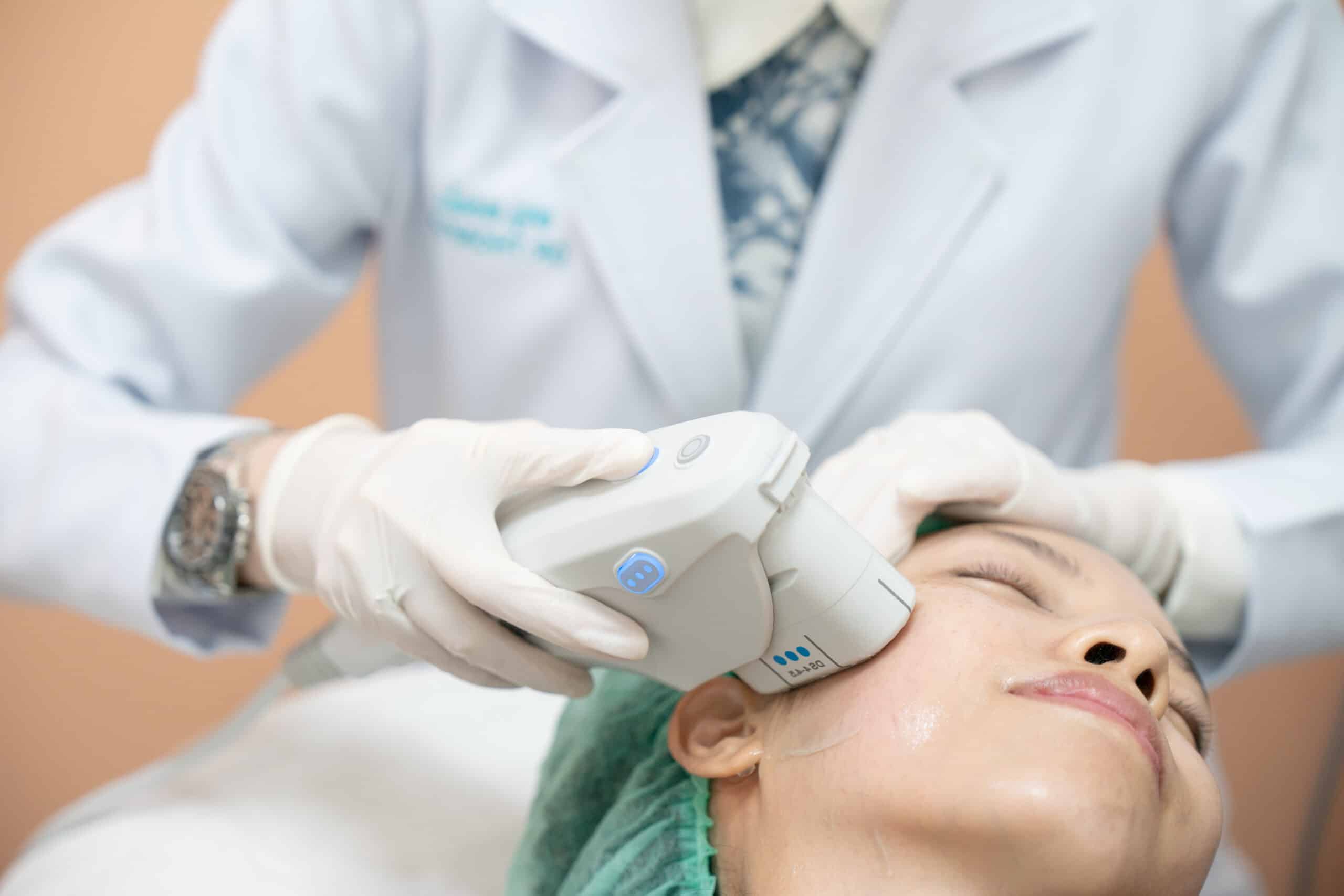
Ultherapy and Thermage are two popular non-invasive skin tightening treatment options that offer remarkable results. Both treatments utilize advanced technology to stimulate collagen production and improve skin firmness and elasticity. However, there are key differences between Ultherapy and Thermage to consider when choosing the right option for skin tightening. In this blog, we’ll explore the difference between Ultherapy and Thermage to help you make an informed decision.
1. Ultherapy:
Ultrasound Technology: Ultherapy utilizes focused ultrasound energy to stimulate collagen
production deep within the skin&layers. This energy penetrates the dermis and targets the
foundational tissues, triggering a natural regenerative process.
Skin Lifting and Tightening: The primary objective of Ultherapy is to lift and tighten sagging skin, particularly on the face, neck, and décolletage. It can effectively address mild to moderate skin laxity and restore a more youthful contour.
Long-Lasting Results: Patients typically experience gradual improvements in skin firmness and
texture over several months following the treatment. Ultherapy results are long-lasting, with
optimal outcomes becoming noticeable within 2 to 3 months and continuing to improve for up to 6 months.
2. Thermage:
Radiofrequency Technology: Thermage relies on radiofrequency (RF) energy to heat the deeper layers of the skin and stimulate collagen production. The controlled heating action targets specific areas of concern, such as fine lines, wrinkles, and laxity.
Skin Smoothing and Tightening: Thermage is used for tightening the skin, reducing the
appearance of wrinkles, and promoting overall skin rejuvenation. It can be used on various areas of the face and body, including the eyelids, abdomen, and thighs.
Gradual Results: While some patients may notice the effects after Thermage treatment, the full
results develop gradually over several months as collagen remodeling occurs. Results can last for
up to 1 to 2 years, depending on an individual’s skin characteristics and skincare routine.
Why Choose Ultherapy for Superior Skin Tightening Results?
Ultherapy stands out as a superior option for non-invasive skin tightening due to its precision
targeting, customizable treatment depth, minimal downtime, and long-lasting results. Unlike
Thermage, which may require multiple sessions for optimal outcomes, Ultherapy typically achieves noticeable improvements in just one session.
Ultherapy offers the flexibility to adjust the depth of treatment based on each patient & unique
needs and skin condition, ensuring personalized results. Furthermore, Ultherapy stimulates the
body natural collagen production process, leading to gradual and long-lasting improvements in
skin laxity and firmness.
With minimal downtime and results that can last up to a year or more, Ultherapy provides patients with a convenient and effective solution for achieving tighter, more youthful-looking skin.
Benefits of Ultherapy for Skin Tightening
1. Non-Invasive and Non-Surgical:
● Ultherapy offers a non-invasive alternative to surgical facelift procedures, making it suitable
for individuals who prefer to avoid surgery or have mild to moderate skin laxity.
● The treatment requires no incisions or downtime, allowing patients in Waterloo, Kitchener
to resume their daily activities immediately after the session.
2. Customized Treatment Plans:
● Each Ultherapy session can be customized to target specific areas of concern, such as the
brow, chin, and neck, based on the patient& unique aesthetic goals and skin condition.
● You can achieve personalized results that enhance their natural beauty and confidence by
tailoring the treatment to address individual concerns.
3. Natural-Looking Results:
● Ultherapy stimulates the body’s natural collagen production process, resulting in gradual
improvements in skin firmness and tightness over time.
● You can enjoy natural-looking results that appear refreshed and rejuvenated, without the
need for artificial fillers or injectables.
Choosing Ultherapy for Skin Rejuvenation in Waterloo,Kitchener
1. Consultation and Evaluation:
● Schedule a consultation before undergoing Ultherapy treatment.
● During the consultation, the provider will assess the patient& skin condition, discuss their
aesthetic goals, and recommend a personalized treatment plan tailored to their needs.
2. Professional Expertise and Experience:
● Choose a reputable med spa with experience in administering Ultherapy treatments.
● Patients should research Ultherapy treatment providers in Waterloo, Kitchener, read reviews, and inquire about the qualifications and training of the medical staff to ensure a
safe and effective treatment experience.
3. Long-Term Skin Maintenance:
● While Ultherapy delivers long-lasting results, ongoing skin maintenance is essential to
preserve and optimize the outcomes.
● Patients should follow a comprehensive skincare routine, protect their skin from sun
damage, and consider periodic maintenance sessions as recommended by their provider to
prolong the benefits of Ultherapy.
Conclusion
By opting for Ultherapy in Waterloo, Kitchener, individuals can address skin laxity and achieve natural-looking rejuvenation without the need for surgery or downtime. With personalized treatment plans and professional expertise, individuals can enjoy firmer, tighter skin and renewed confidence in their appearance. Ready to experience the rejuvenating benefits of Ultherapy? Contact Sunshine Cosmetic Clinic & Medi Spa in Waterloo,Kitchener today to schedule a free Ultherapy consultation and learn more about we can help you achieve smoother and tighter skin without surgery.